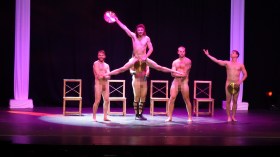
Every August without fail, thousands of artists from around the world converge on the Edinburgh Festival Fringe. The world’s biggest arts festival, it lures in creatives intoxicated by the romantic notion that they might be the next lucky person to be ‘discovered’ by a top talent scout or big producer.
Indeed, some of the world’s most famous and critically-acclaimed shows got their start at Edinburgh Fringe. Before Phoebe Waller-Bridge’s Fleabag was a hit TV series, it started there as a stripped-back solo show. Same for Richard Gadd’s Baby Reindeer. International touring sensation Six: The Musical was first mounted at the Fringe with a cast of university students. Even the Taskmaster game show dynasty began as an offbeat little Fringe show.
It all began back in 1947, when eight theatre groups turned up uninvited to perform at the Edinburgh International Festival. It evolved into a daring, open-access platform where alternative, independent and experimental arts have their shot, and has gone onto spawn similar festivals in cities all over the globe.
In Australia we have Adelaide Fringe, Melbourne Fringe, Sydney Fringe, Fringe World Perth, and a handful of others. Adelaide’s fringe claims the title as the Southern Hemisphere’s biggest arts festival, and is considered the closest thing we have to the might of Edinburgh Fringe.
Doing Edinburgh, which runs throughout August every year, is the dream for many comedians, performers and theatremakers – and it’s an uphill battle. With expensive hurdles like registration fees, skyrocketing accommodation costs (reportedly leaving some performers sleeping in their cars) and upwards of 4000 other shows to compete with – ‘open access’ doesn’t necessarily equate to ‘easily accessible’. Especially if you’re travelling all the way from Australia to be part of it.
So what is the motivation for Aussie performers to sink their savings into trekking over to the other side of the world and battling it out to be seen? We spoke to Sophie Power and Eva Seymour, two Melbourne-based performers who are each at the beginning of month-long runs at Edinburgh Fringe, to find out what it takes to get there, and what they hope to get from it.
Making it to Edingburgh Fringe – quick links
Why chase the Edinburgh fantasy?
‘First of all, it’s very fun, because you get to just see theatre all the time and be with your friends,’ Power tells me. On the other hand, she says, the Edinburgh Fringe is ‘the world’s market for theatre … It is a way of having a lot of industry people see your show very quickly.’ And for that reason, it demands a lot of hard work.
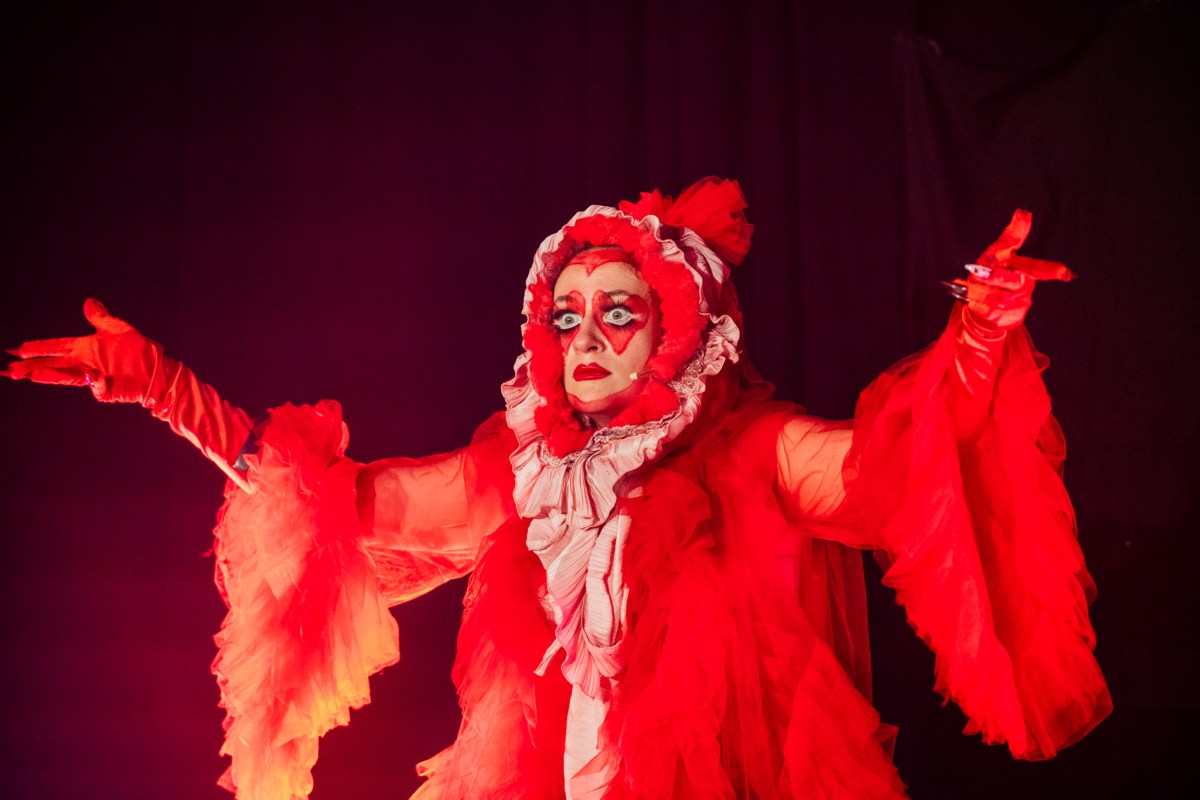
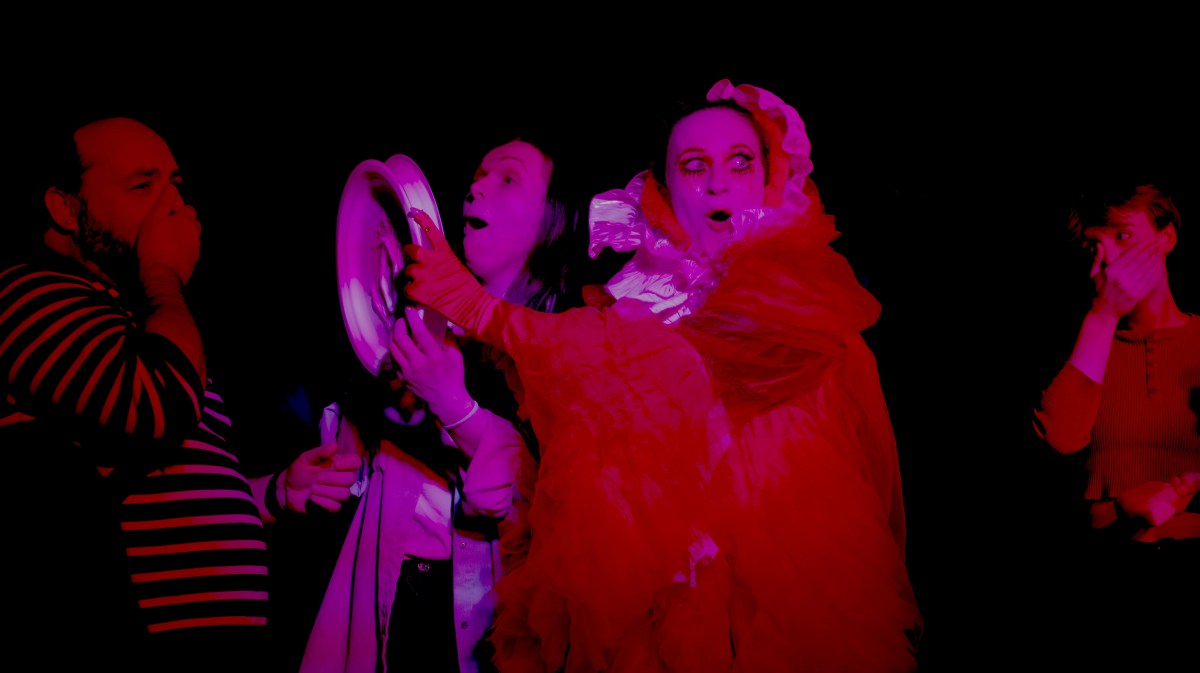
Power returns to Edinburgh Fringe – which she describes as a fringe festival ‘on steroids’ – for the second time to take to the stage dressed as ‘a giant vulva’ with her provocative solo show CVNT.
Blending bouffon-style clowning with physical theatre and unhinged interactive comedy in the quest to dismantle the stigma surrounding female pleasure, CVNT has garnered critical acclaim, awards and a cult following across the Australian festival circuit.
After four years in the improv comedy scene, fringe festivals are what gave Power the platform to develop her own voice – the permission to be a giant cunt, if you will.
It’s a similar story for Eva Seymour. A professional actor who has kept consistently employed in the theatre industry, her debut one-woman show The Understudy is a dark comedy born from her experiences as a ‘Covid understudy’.
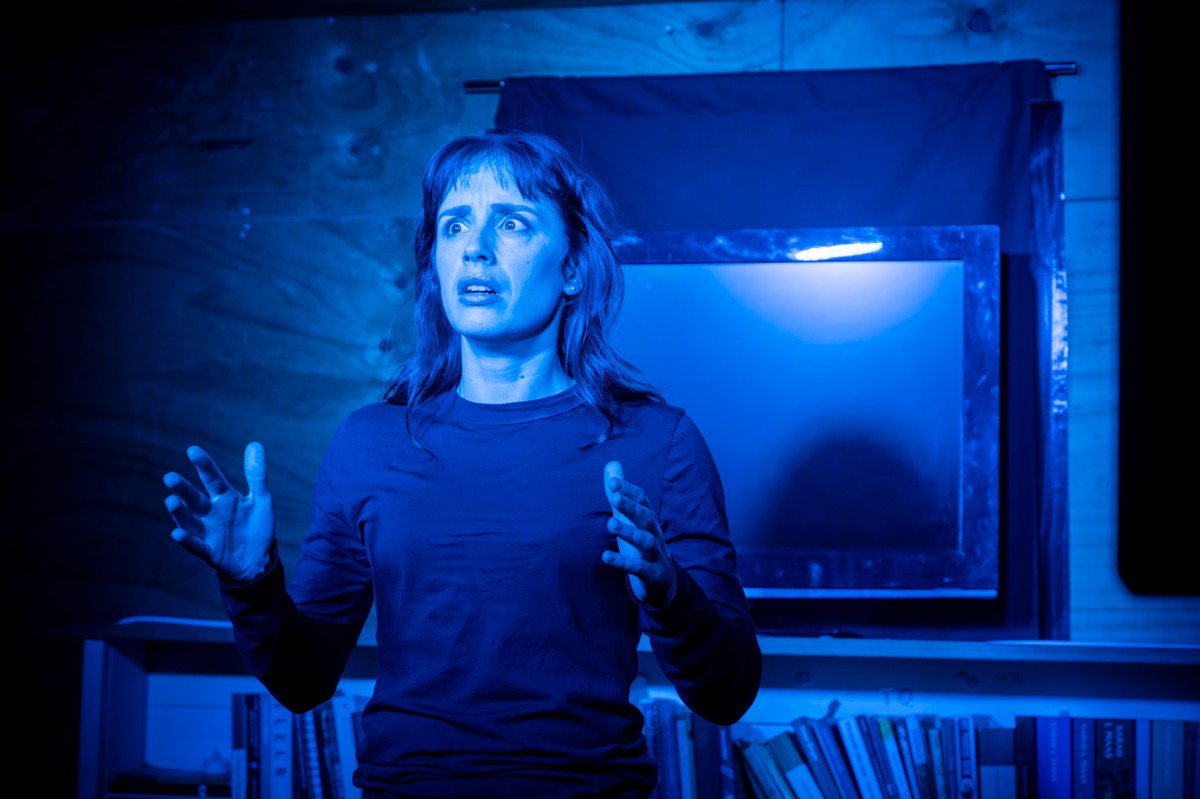
‘I never wanted to pity myself, or not highlight that I am really fortunate to be where I am,’ Seymour tells me.
‘But also wanted to be like, yeah, this industry is tough, and it sucks sometimes, and you feel like a meat puppet.’
The dream of touring to Edinburgh Fringe was a big motivator for Seymour to step out of her comfort zone and write an original piece of work.
‘I remember finishing the show in Melbourne and going, “That is the most creative control I’ve ever had of myself as an actor, but also as a writer,” and it’s the most satisfying experience,’ says Seymour. ‘Yes, it can be tiring, but … it’s a really cathartic venture.’
For Seymour, the creative freedom of the Fringe is everything. But it does come at a price.
The financial reality: be prepared to lose $20,000
For Australian artists especially, the biggest reality check comes when the fantasy meets the budget spreadsheet. The general advice is to have $20,000 to $25,000 saved up to do Edinburgh Fringe – and no expectations to recoup any of that.
While ticket sales can offset some of the costs, neither of the artists I spoke with are approaching the festival expecting to make a profit.
‘Your likelihood of getting that money back is low,’ says Power. ‘I was incredibly lucky in my first year, I managed to break even. But that was not normal. I mean, the good thing about my show is that it has a very grabby title – in Edinburgh, that gives you a bit of cut through.’
The expenses stack up quickly: venue hire, accommodation, flights, registration, marketing, publicity, posters, living costs and the countless smaller expenses that come with mounting a show on the other side of the world.
Even the original director of Baby Reindeer, Jon Brittain, has spoken up about the increasingly ‘crippling’ costs of performing at Edinburgh Fringe, and how this risks ‘squeezing out’ creatively risky work.
Seymour has been funding The Understudy through a patchwork of other work – a steady commercial voiceover gig, disability support and creative facilitation. She says having financial stability has given her something arguably even more valuable than the money itself: the mental space to make art.
The financial equation of doing Edinburgh Fringe is complicated. For Seymour, the investment is also buying the opportunity to make something she otherwise might never have made.
‘I’m just throwing money into a black hole and hoping that it pays off,’ she says. ‘But like, buying acting headshots or whatever, [in this industry] you’re just throwing money at things all the time that you know you’ll be grateful you did, but at the time it hurts.’
The necessity of leaning on friends
Seymour is sharing accommodation with friends she met through the Australian fringe circuit, splitting the costs and leaning on the community she has built over several years. She describes herself as fortunate to have that support.
Power is equally emphatic that artists shouldn’t try to tackle it entirely alone. If the opportunity is there, she highly recommends that artists visit Edinburgh Fringe at least once before bringing their show there.
‘Immerse yourself, do some flyering for some people, do some spots. Just get your head around the machine, because it is so big and so overwhelming,’ she says.
For both performers, their networks have become an essential part of the Edinburgh Fringe experience – not just for practical survival, but for artistic development. It was through making friends on the fringe circuit that Power found her producer. Seymour is relying on friends to help make the month abroad financially and emotionally manageable.
The Fringe may be an enormous international marketplace, but getting the most out of it often depends on the small communities artists build within it.
So what’s the point of doing Edinburgh Fringe?
The reality of Edinburgh Fringe is considerably messier than the fantasy. Power suggests that artists should arrive with a clear idea of what they actually want from the festival. That might be securing an agent or touring opportunity, netting an award or reviews, or simply having the chance to meet other artists and have a good time.
Her own goal this year is to find new audiences and more international touring opportunities for CVNT. She’s off to a good start, already selling out some nights. But she is also trying to keep herself anchored in the reason she started performing the show in the first place.
‘Once the reviews start coming out, once you start having a total meltdown … all of the noise and the buzz will just get to you if you don’t have some kind of anchor,’ she says.
For Power, that anchor is the audience. ‘It’s easier to say on the other side when you’ve received excellent reviews and awards, but we’re not doing this for that. We’re doing it for the people in front of us,’ she says.
‘I think that is the tricky side of fringes sometimes, it can be like one big art competition [but] art is so subjective.’
Can you put a number on finding your artistic voice?
It is a useful corrective to the mythology of Edinburgh Fringe as a career-making lottery. A show can receive five-star reviews and still disappear. Another can sell out without attracting an agent.
But the artist might come home with something else – the ability to develop an artistic voice that might never have emerged within a more conventional theatre structure.
And that, perhaps, is the less glamorous but more meaningful promise of the Fringe: not necessarily that someone important will walk through the door, but that you get to walk through it yourself.
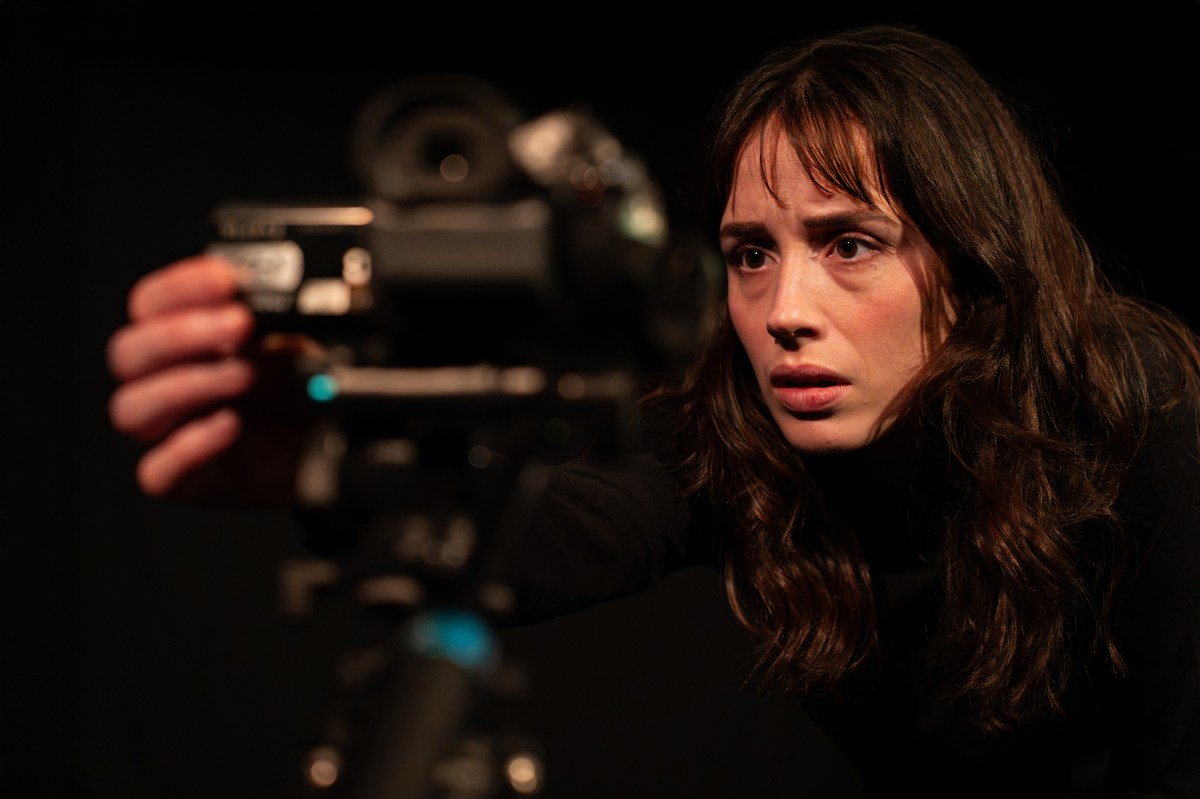
For Seymour, taking The Understudy to Edinburgh is an act of faith in a show she could have abandoned for a safer career opportunity. For Power, returning with CVNT is an opportunity to push a work that has already found niche audiences in Australia towards an international life.
Neither knows exactly what will happen next. That uncertainty can be terrifying. But that is also the point.
As Seymour says: ‘The ability to have complete creative control of something, and being able to share my story – it’s so wanky, but to do something that I’m proud of – to an international audience and have people that don’t know me come and see it, that’s a real gift.’
The Edinburgh Fringe may look a little different to the scrappy, countercultural experiment it was in 1947. It is an enormous, expensive and fiercely competitive industry, and the financial barriers to entry mean its famous promise of openness is far from equally accessible to everyone.
But for artists who can find a way through those barriers, something of the original spirit remains. For a month, you can build a tiny artistic world of your own in the middle of one of the world’s biggest.
That might not be the fantasy of Edinburgh Fringe. But it may be something better: a chance to make the kind of work you want to make, and see what happens when you let the world in.