The superb dancers of Acosta Danza possess a physical assurance that is immediately striking. Their movements combine classical precision with a fluidity and weightlessness that allows their bodies to twist, extend, hang in the air, and rebound with apparent ease.
In Cuban Baroque, the Havana-based company brings this versatility to two works that explore different ways of placing contemporary dance in dialogue with Baroque music. The results are certainly visually engaging although not always entirely persuasive.
Founded by Carlos Acosta in 2015, Acosta Danza was established to provide a platform for emerging Cuban dancers while embracing a broad range of choreographic approaches. The company’s repertoire reflects Acosta’s own background in classical ballet, alongside a commitment to contemporary dance and the physical vocabularies associated with Cuba. This program demonstrates the value of that open approach.
Cuban Baroque review – quick links
The frenetic pace of Pearls
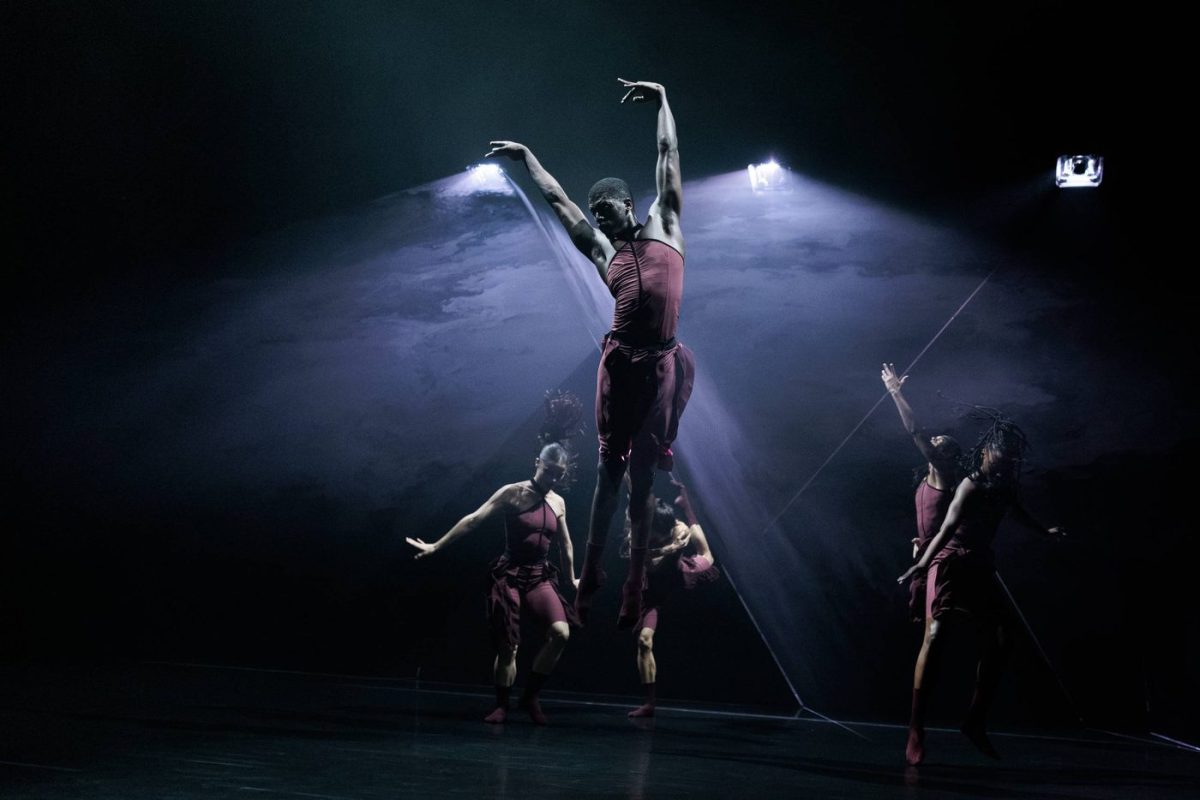
The first work, Pearls, is a world premiere by Greek choreographer Andonis Foniadakis, using music inspired by Salve Regina (Hail Queen), an ode to the Blessed Virgin Mary from 18th century Cuban composer Esteban Salas, and reworked here by Julien Tarride. The score moves between Baroque textures and electronic sonorities, while Nicolas Fischtel’s lighting design creates shifting geometric patterns across the stage.
Foniadakis gives the dancers little respite in this rather frenetic work. The rapid changes of direction, intricate groupings and demanding duets require considerable stamina and control, and the performers respond with evident commitment. At its best, the choreography generates an exhilarating sense of collective momentum, with the precision of the dancers providing a counterpoint to the restless score.
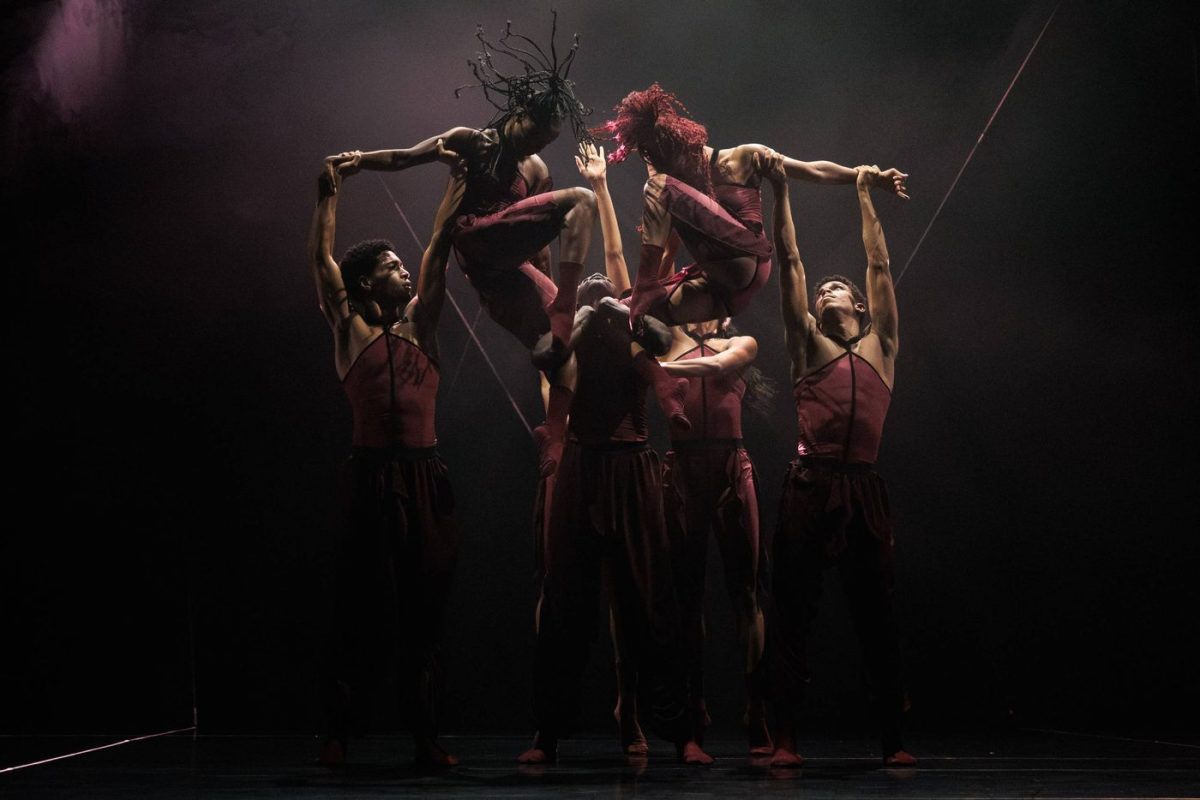
As the work progresses, this intensity feels a little relentless. Sequences accumulate without always developing a clear dramatic or emotional trajectory, and the constant shifts in texture sometimes obscure rather than illuminate the relationship between music and movement, and some sequences seem to lack any clear synergy.
The choreography certainly offers plenty to admire technically, but some more nuanced changes of tempo might give it a deeper expressive significance.
Chacona draws out patterns
Goyo Montero’s Chacona, set to the final movement of Bach’s Partita No 2 in D minor from 1720, offers a rather more layered and measured counterpoint. Accompanied by a trio of violin, guitar and piano on stage, the work draws on repetition, variation and geometric formations to establish a more vivid structural logic.
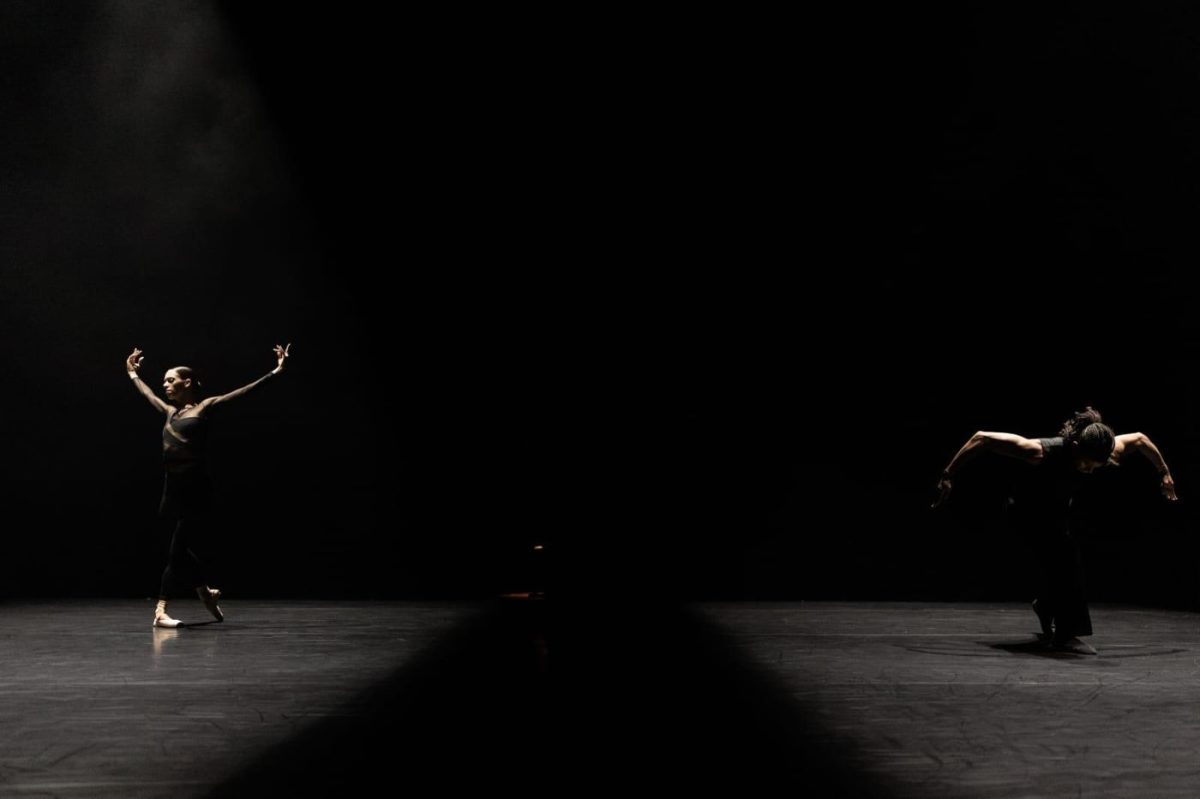
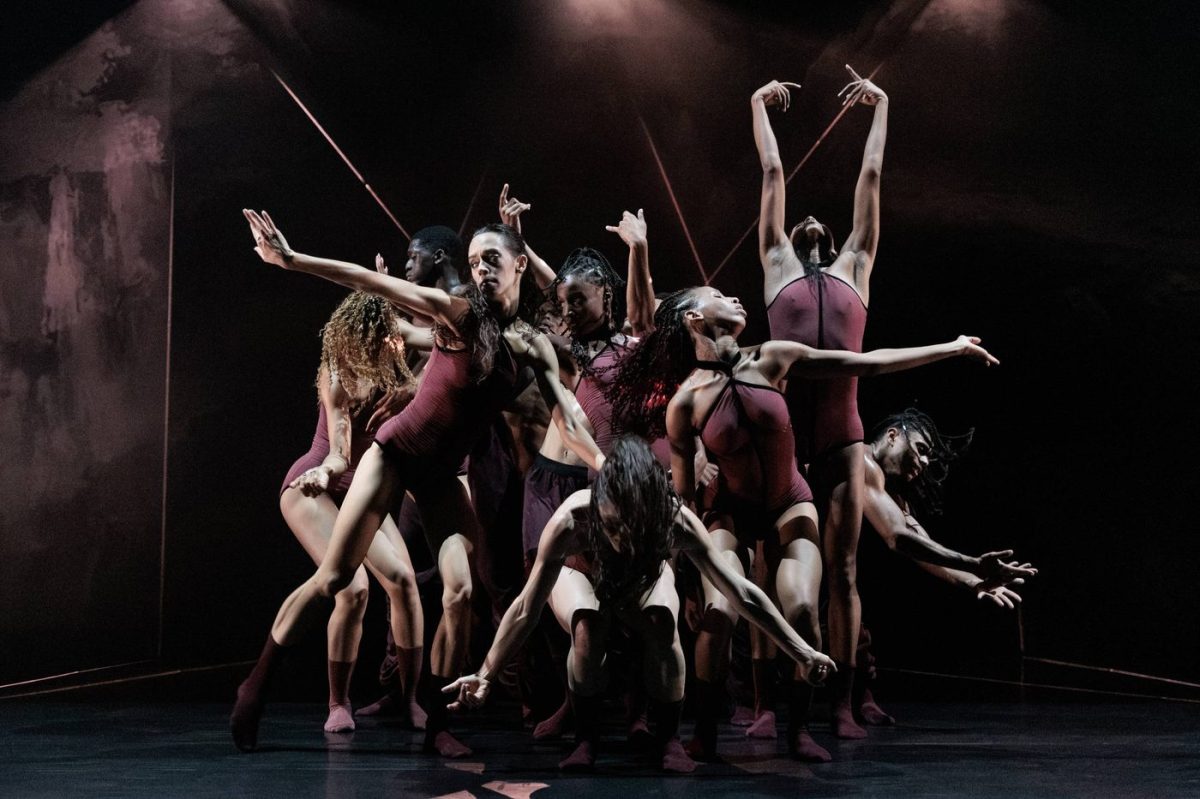
With 16 dancers on stage, Montero balances sculptural ensemble passages with more intimate partnering, allowing patterns to emerge and evolve rather than simply propelling the action forward.
A tender opening duet establishes a more reflective mood, while the larger sequences demonstrate the company’s ability to move as a coherent ensemble without losing the individuality of its performers. The live musicians also bring immediacy to the performance, strengthening the connection between the score and the choreography.
The contrast between the works is revealing. Where Pearls favours speed, density and constant change, Chacona finds expression through structure and restraint. Neither approach is inherently more suited to this intriguing encounter between Baroque music and contemporary dance, but Chacona is the more engaging and expressive work.
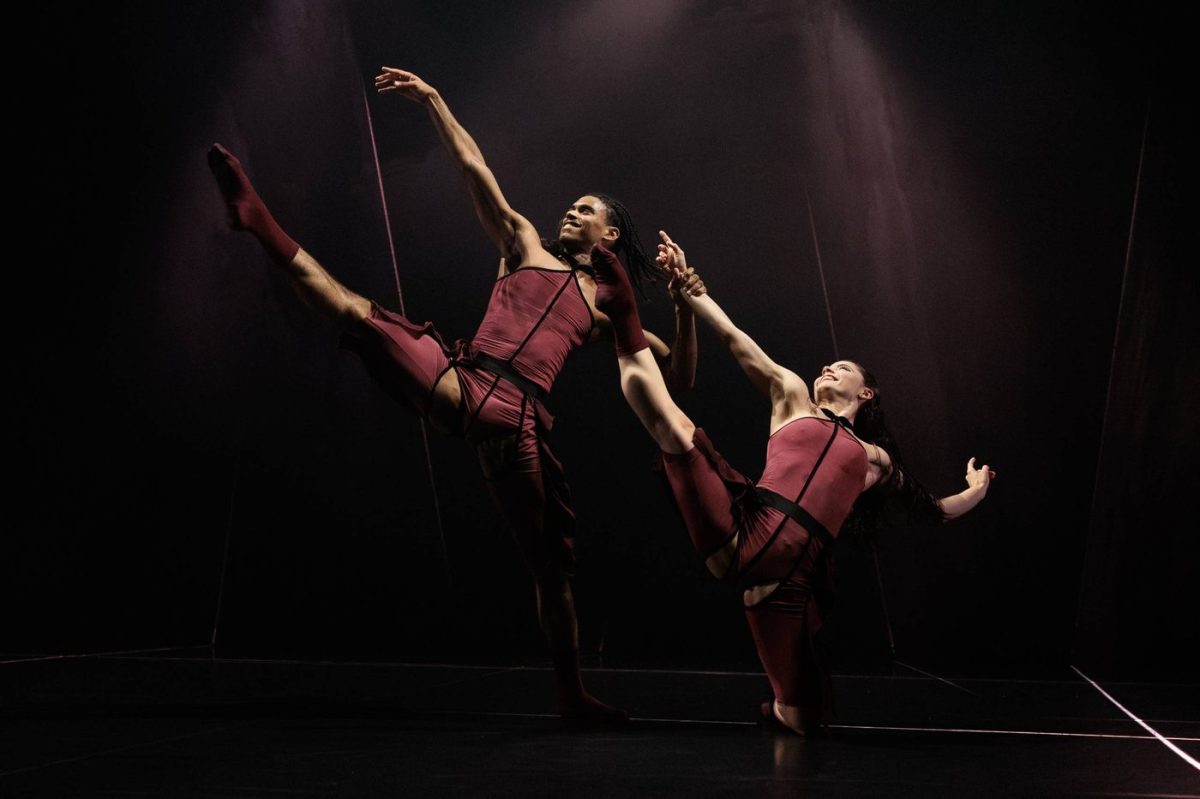
The Cuban Baroque double-bill felt uneven but it was still an exciting showcase for the compelling dancers of Acosta Danza. They bring considerable skill, stamina and presence to the stage, and the idea of a musical conversation across time and place is appealing.
The dancers may outshine the choreography on this occasion but it is still an interesting and engaging evening of modern dance.