Any video game player can tell you that gaming improves mental health and happiness. There’s joy in the act of play, and we are all, inherently, creatures that long for play. At SXSW Sydney 2025, researcher and psychologist Rachel Kowert delivered a powerful talk encompassing these concepts, detailing the power of video games to reshape, relax, and connect human minds.
It was one of the most important talks of the show, quantifying the importance of gaming, outlining results-driven data about the positive nature of games, and revealing how they allow us to live happier, longer lives.
Video games and mental health – quick links
Historic perceptions of games have diluted the discourse
Kowert began her talk with a history of games, as perceived by traditional media. As she described – and as many of us will remember – a great fear of games accompanied their initial establishment.
As with all new technologies, fear of the unknown sparked major concerns, with the media coining terms like ‘vidiot’ to degrade those who chose to play games, and otherwise spreading falsities about brain rot and a correlation between virtual violence and real-life violence.
This fear spread throughout the early decades of gaming, as titles incorporating bloody violence, like Mortal Kombat, caused widespread moral panic. Into the 2000s and 2010s, Grand Theft Auto continued this legacy, with plenty of mainstream hand-wringing about games and their influence on young children.
As Kowert pointed out, these conversations dominated the mainstream in a way that transformed the long-term discourse around gaming. One of the impacts of this head-in-the-sand approach was that video games remained misunderstood for a long time.
Video games can teach skills of all kinds
Once this fear around games began to ebb in the modern era, as understanding and adoption grew, there was more space to better analyse games and what they do for the human brain.
Per Kowert, one of the biggest discoveries, early into this new research on video games was that they actually had a range of benefits for cognitive skills.
All of the things that games had been criticised for in the past – rotting brains, inspiring violence, and causing anti-social behaviour – they actually presented a solution to.
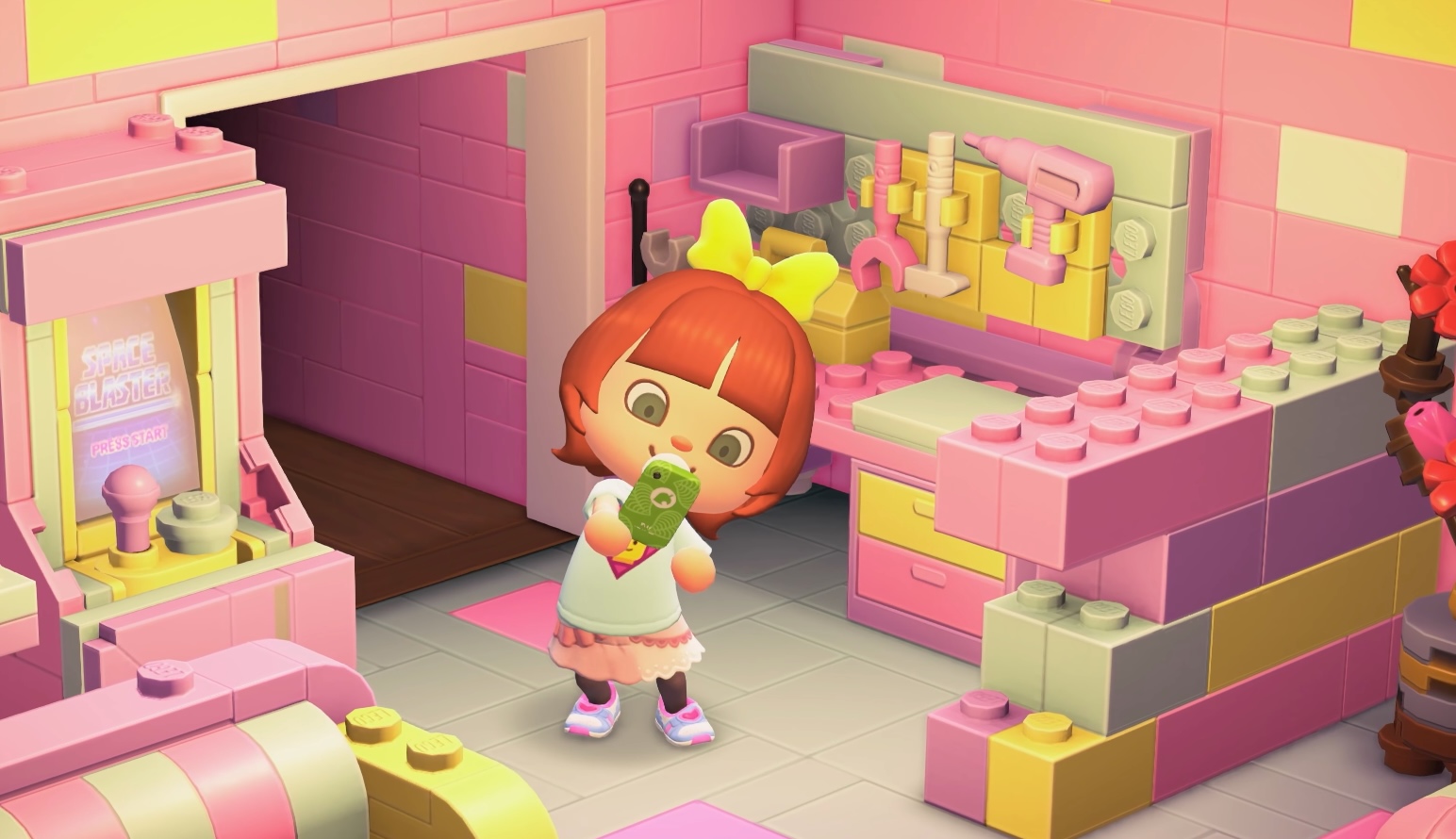
Action games could help with hand-eye coordination. Tetris, of all things, has been proven to help the human mind deal with PTSD and trauma. In the era of the coronavirus pandemic, Animal Crossing: New Horizons connected friends, family, and strangers in a virtual world where everyone was free to play. Not only that, but Animal Crossing also taught skills such as resource and money management and effective communication.
That’s not to mention that it made so many people happy, in a time when that was difficult to achieve.
‘Play is critical for a life worth living,’ Kowert said.
Video games can help people achieve this, through the magic, power, and skill-delivery of play.
Video games encourage empathy and social connection
Social play, in particular, has the added benefit of improving imagination and reducing symptoms of loneliness. Where physical location isn’t a barrier, the ability of games to connect people is extraordinary, and allows new connections to form.
‘Online and offline is a false dichotomy,’ Kowert said.
As she described it, the connections formed in the online world are just as valid as those experienced in the real world. They have the same benefits for mental health, and online friendships improve feelings of belonging in the same way that real-world friendships do.

Another aspect that games can improve is feelings of empathy. The Hellblade franchise was given as an example here, for its depiction of psychosis. As frequently discussed by developers at Ninja Theory, this is a game that aims to accurately represent psychosis in a way that encourages understanding in players.
Kowert told audiences at SXSW Sydney that, anecdotally, she had heard from players who suffered from psychosis and had shared the game with their partners, as a means to illustrate their struggles. In playing the game, partners better understood what their other half was going through, and were able to build from there.
A better life, through video games
As Kowert described in this talk, games contribute to better lives overall. Early discourse around concerns of children being exposed to violence effectively derailed scientific study for decades, but now, with better understanding and more resources, researchers have discovered more positive results.
In many aspects, video games are incredible forces for good.
They make us happy, healthier and more social. Countless research papers speak to this phenomenon, highlighting just how powerful gaming can be, and how it can transform lives.