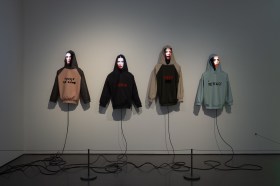
Olukemi Lijadu’s Feedback, isn’t just a film, it’s a frequency. Moving between the beaches of Lagos, the music festivals of Chicago, and the streets of Bristol, the work investigates the loops that hold the African diaspora together. It is a defiant assertion of presence in the face of a fractured history.
The heart of the work is the metaphor of audio feedback: the continuous surge of sound between output and input, amplifying itself into something more powerful with every pass. For Lijadu, this isn’t a technical glitch; it is the mechanism of the diaspora itself.
Feedback becomes a way to understand how rhythms, stories, and cultural codes reverberate across continents and generations.
Olukemi Lijadu’s Feedback review – quick links
Sound is colour
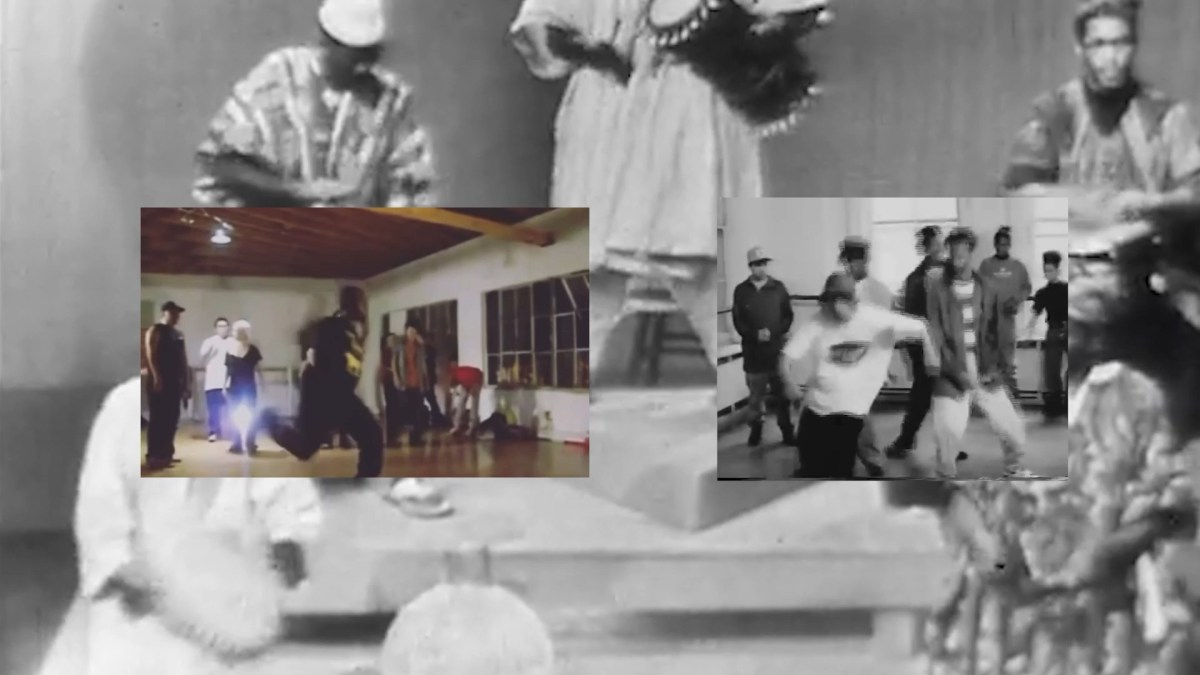
As a recurring refrain in the film declares, ‘sound is colour,’ forming a visceral claim for the Blackness of music. This isn’t about literal pigment; it is the recognition of the people, the roots and the vibration of a heritage that refuses to be muted, even when forcibly uprooted.
The drum dictates the film’s tempo, acting as the structural and spiritual heart of the work. Lijadu traces its evolution from traditional West African drumming to the electronic machines of the Midwest in the US.
By slicing personal archival footage from her Lagos childhood into the synthesized thud of Chicago house, she demonstrates how these ancestral polyrhythms were re-coded and amplified – not lost, but transformed.
Amplifying voices
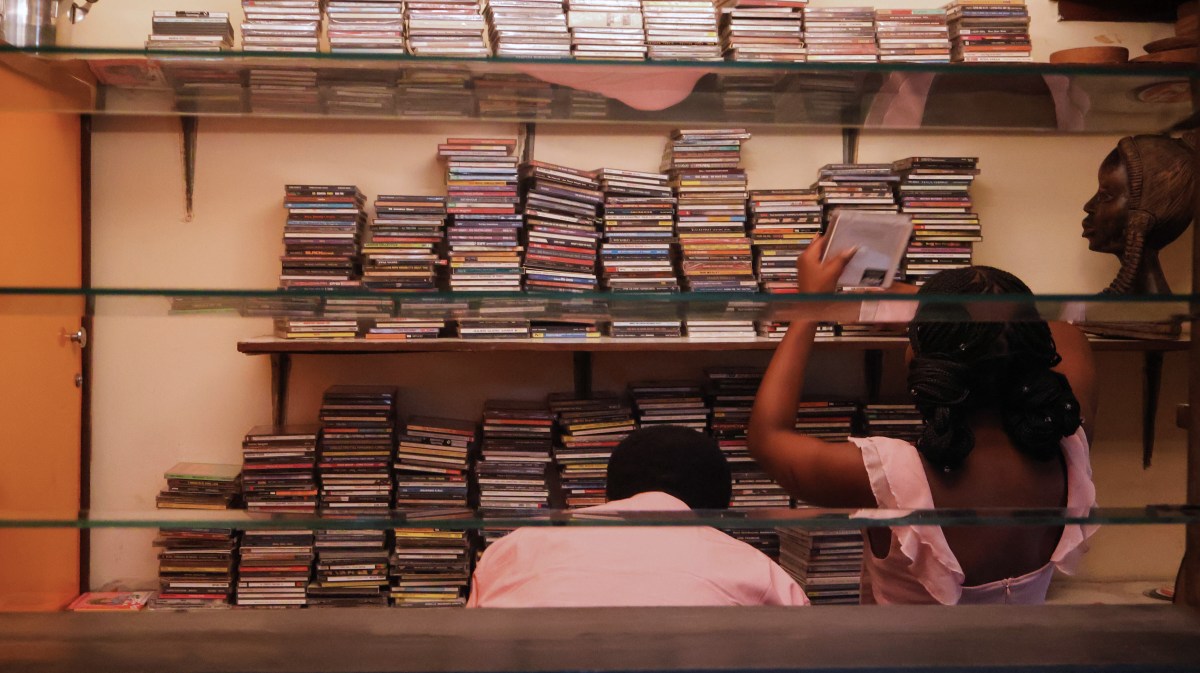
Inspired by early abstract cinema, Feedback embraces repetition and visual rhythm to map the persistence of Black memory. The installation is anchored by a custom-built sound system. Drawing from Bristol’s famous sound system culture, this sculptural element emphasises the connections forged by the artist during her research residencies in the city.
One may also see it as a direct homage to Bristol’s African-Caribbean heritage. In a city with such deep historical ties to the slave trade, this sound system serves as a physical metaphor for the amplification of histories and voices that were once shattered. It is an architecture of resistance.
The opening night took this reclamation out of the gallery and into the room. Lijadu took over the Emmeline Café and Bar for a DJ set that had the place absolutely brimming. As she mixed sonic landscapes in real-time, the café became a living extension of the film’s soul.
This was joy as a political act. The crowd wasn’t just watching a film; they were the output and the input, participating in a feedback loop that turned a fractured history into a shared, amplified energy.
Feedback is a masterclass in the persistence of rhythm. It is a triumphant celebration of Black roots and the unbreakable thread between ancestral sound and the modern dancefloor. Lijadu isn’t just documenting a history; she is live-mixing it into a colourful, present-day reality.