Sunny Afternoon: quick links
Few bands have a story as gloriously chaotic – or as quintessentially English – as The Kinks, and Sunny Afternoon captures that story in vivid Technicolor. More than a simple jukebox trip down memory lane, this production is a witty, heartfelt, and infectiously joyous portrait of the band that defined British pop in the 1960s.
Their songs, sharp, satirical and often tinged with melancholy, chronicled post-war Britain with a precision few bands could match. At their peak, The Kinks rivalled The Beatles and The Rolling Stones, yet their distinctively English wit and storytelling gave them a character entirely their own.
The musical follows the rise of four working-class lads from Muswell Hill to pop superstardom, charting the creative tensions between Ray and Dave Davies, clashes with management and the highs and lows of band life. While the narrative sanitises some of the band’s darker personal struggles, it provides a strong framework to showcase the chemistry, humour, and sheer musical brilliance that made The Kinks unforgettable. The story moves with energy, balancing humour, nostalgia, and moments of tenderness without ever losing sight of the music that drives it.
Sunny Afternoon: pitch perfect
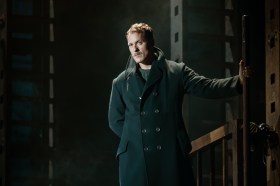
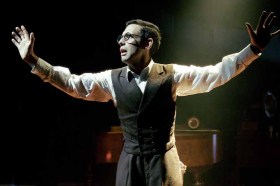
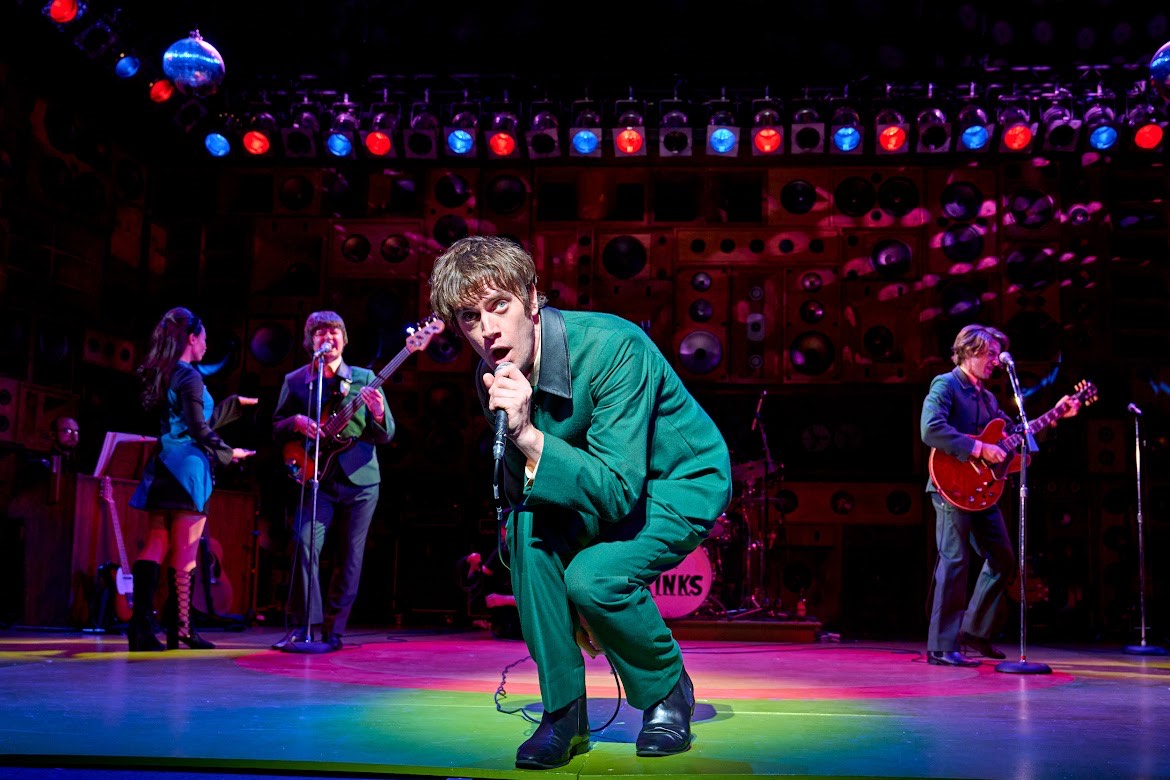
Danny Horn is pitch-perfect as Ray Davies, capturing the mischievous charm, subtle awkwardness and reflective melancholy that defined his persona. Oliver Hoare’s Dave is magnetic chaos incarnate: impulsive, unpredictable, and utterly electrifying.
Their relationship – tender one moment, combustible the next – forms the emotional heartbeat of the show. Harry Curley brings a grounded warmth to Pete Quaife, while Zarakrie Stokes imbues Mick Avory with energy, precision, and a sly touch of humour behind the drums. Together, the four feel like a genuine band, alive with friction, camaraderie, and creative spark.
The music pulses with life throughout. ‘You Really Got Me’ ignites as Ray and Dave stumble on the iconic riff, a spark of brilliance that electrifies the theatre. Lisa Wright, playing Ray’s first wife Rasa, shines in the tender duet ‘I Go to Sleep’, offering a rare moment of intimacy amid the chaos. Dave’s anarchic turn swinging from a chandelier during ‘Set Me Free’ draws gasps and laughter. The audience erupts for ‘Sunny Afternoon’, celebrating England’s 1966 World Cup victory, with red, white and blue confetti cascading from the ceiling.

By the finale, it’s no longer a night at the theatre but a full-on gig: the audience clapping, dancing, and singing along, grinning from ear to ear. Even with the minor sound issues that affected the first act, the vitality never faltered, and the connection between stage and audience remained electric.
Sunny Afternoon: controlled chaos
Director Edward Hall balances controlled chaos with impeccable timing, allowing the story to breathe while maintaining momentum. The set design captures both the smoky intimacy of rehearsal rooms and the dazzle of fame, with subtle touches – a guitar amp here, a studio walkway there – that make the world feel lived-in and immersive.
Lighting and staging are precise, never slipping into parody, and give the show a lively, kinetic energy that complements the music.
While the musical doesn’t fully confront The Kinks’ private struggles, it nods to the pressures behind the songs: Ray’s moments of isolation and creative tension, Dave’s unpredictable energy, and the personal sacrifices hidden behind the band’s public triumphs. These touches lend depth to the story and bolster the laughter and sing-alongs, reminding the audience that even sanitised, the Kinks’ story is of real people making extraordinary music.
Read: The Wanderers review: a thoughtful examination of modern American Jewishness
Sunny Afternoon is a rare musical that combines a brilliant cast, an infectious soundtrack, clever staging and the joy of live performance into an experience that feels as alive as the band itself. Audiences leave humming, smiling, and acutely aware that The Kinks’ music – and this production – still crackle with life.
This isn’t nostalgia alone; it’s a playful, electrifying celebration of a band who helped define a generation, a show that entertains, delights, and reminds us why The Kinks mattered – and why they still do.
Sunny Afternoon continues its UK tour; its season at The Alexandra, Birmingham concluded on 25 October.