Netflix’s One Piece feels like a miracle. It’s not perfect by any stretch, but it’s a rare live-action anime adaptation that just gets what made its source material pop.
In a world of the Scarlett Johansson-starring Ghost in the Shell, Netflix’s one-season-and-cancelled Cowboy Bebop, and the much-maligned Dragonball: Evolution, it’s a revelation, that good live-action anime adaptations are possible – with just the right ingredients and a careful touch.
But what exactly are those ingredients? And why does One Piece grasp what so many other projects haven’t? It’s a strange and wonderful mix of elements that make it such a moreish, exciting adaptation.
What makes a good live-action anime adaptation? – quick links
Netflix’s One Piece is a collaboration of creatives
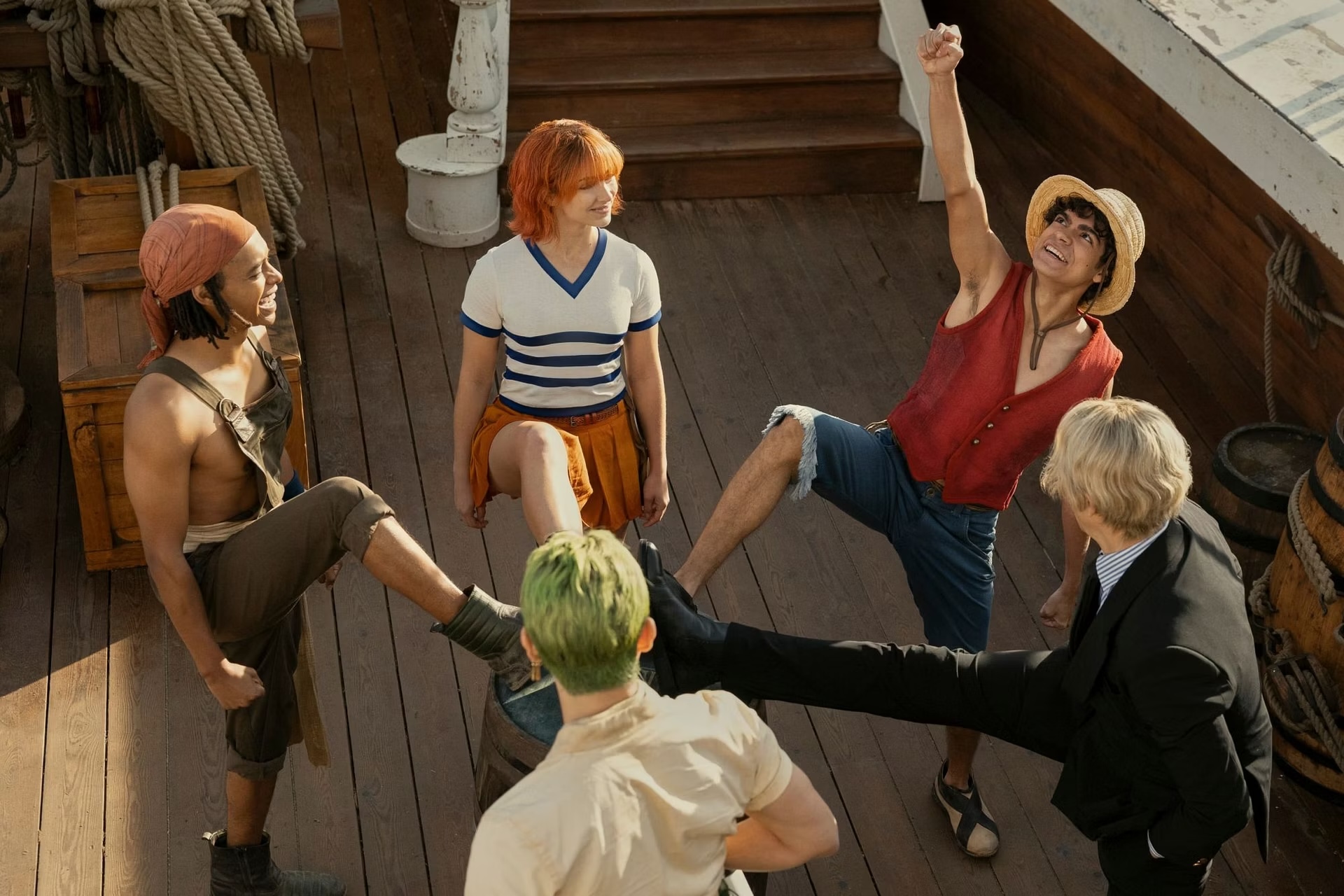
In a rare case for an adaptation, Netflix’s One Piece directly involved the creator of the original manga, Eiichiro Oda. He serves as executive producer on the series and was involved with casting – finding the right actors to embody the energy of each character – as well as editing the story.
Through development, Oda reportedly made changes to select scenes, and his opinions were considered when developing dialogue and crafting new developments.
‘There were a couple of things that took some persuading,’ Steven Maeda, writer and executive producer on One Piece told Screen Rant in 2023. ‘And if there was something that Oda-san was really, really unhappy with, we found a way to change it.’
Oda has confirmed this in subsequent interviews, sharing that Netflix allowed him to read scripts and act as a ‘guard dog‘ to ensure the material was adapted in the ‘correct’ way.
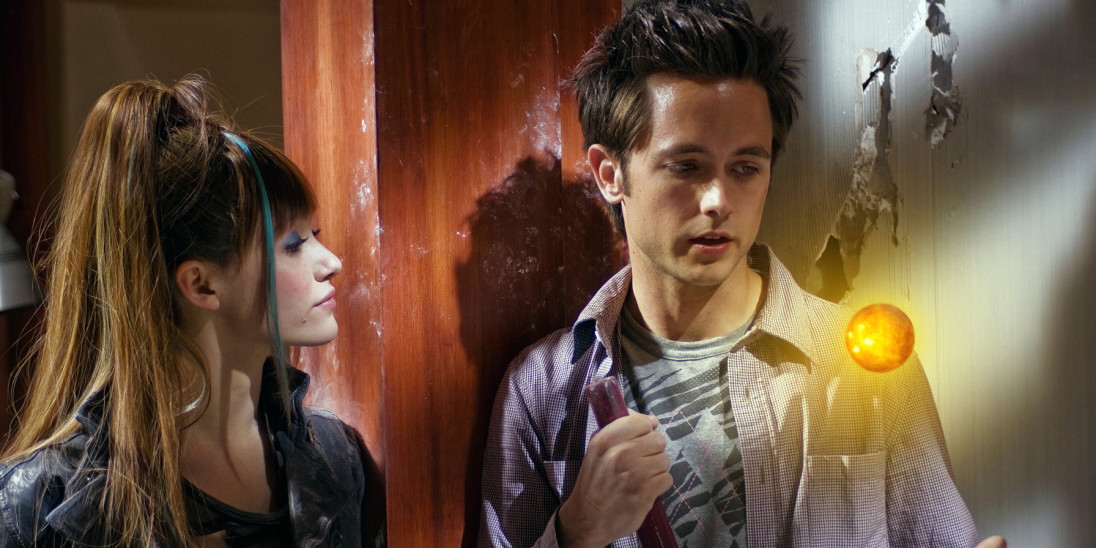
Perhaps it’s best to look at the development of Dragonball: Evolution, the very poorly-received 2009 adaptation of Dragon Ball as a direct comparison. While original manga creator Akira Toriyama was on board as a creative consultant for this film, he later reportedly said that his suggestions, and pushback on its more contemporary setting and significant changes, were ignored.
In a 2013 interview with Asahi Shumbun Digital, preserved and translated by Kanzenshuu, Toriyama claimed: ‘At the time of the Hollywood movie, the live-action Dragon Ball, the script had too little of a grasp on the world and its characteristics, and on top of that, it had a conventional content that I couldn’t find interesting, so I cautioned them, and suggested changes; but in spite of that, they seemed to have a strange confidence, and didn’t really listen to me.’
One Piece appears to have involved its original story creator from the very beginning, and taken his direct feedback on board. Oda’s input reportedly helped to sharpen the structure and pacing of the adaptation, and he even contributed original sketches to support new character design.
There is a tendency for creatives working on live-action anime adaptations to take the reins themselves, to assume complete creative control and push back on alternative input. It appears a warmer approach has served Netflix’s One Piece well – but it’s not the only clever decision that’s shaped the success of the series.
Sharp casting choices elevate One Piece‘s core characters
Sharp casting is another aspect that lends One Piece a bright, bouncy tone that’s akin to its source material. The characters of the manga, on the page, are loveable but can be over-the-top and caricature-ish. Netflix’s casting department deserves credit for finding actors who embody this over-the-top tone well, while grounding and humanising it.
Iñaki Godoy as the charming, ever-enthusiastic Monkey D. Luffy is a particularly good bit of casting. With his ear-to-ear beaming smile, fist-pumping excitement and soft eyes, he’s extremely likeable and charismatic.
Oda himself even gave Godoy his approval, stating his biggest worry about ‘whether [Netflix] would be able to find someone like Luffy’ was unfounded, as Godoy is ‘just like the character [he draws] in the manga.’
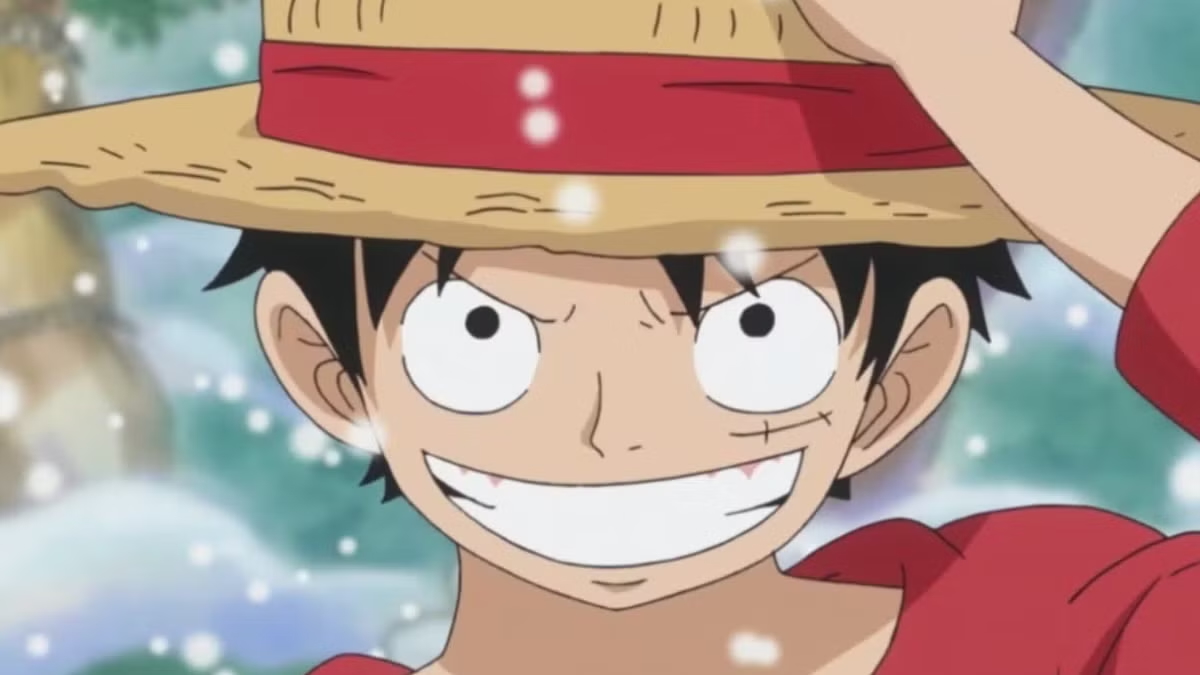
Since then, the actor has demonstrated a pure passion for the role, even committing to learn Japanese, so Japanese fans of One Piece could talk with him directly.
The rest of the cast has demonstrated the same level of commitment to their own characters, embodying them and their values in more ways than one.
Mackenyu, who plays Roronoa Zoro, reportedly trained seven days a week to better embody the character and match his manga physique. Taz Skylar, who plays chef Sanji, reportedly spent time cooking for his fellow cast members and crew, to grow closer to the role. Emily Rudd, who plays Nami, reportedly lobbied for three years to play the character, driven by her passion for the series.
The dedication of each actor is something that shines through, in little character quirks and choices that make them feel more realistic and relatable. But it’s also their chemistry and interplay that elevates the action.
Casting, on its own, isn’t enough. Acting is a shared endeavour, and One Piece is all about the relationships forged and tested along its grand adventure.
It’s not always easy to cast a full crew, and for audiences to be able to feel the intangible bond between them. But whether through luck or intentional casting choices, Netflix’s One Piece thrives off a cast that shares chemistry in every scene, driven by passion and a dedication to their roles.
This isn’t a case, as in the live-action Ghost in the Shell, of casting big name actors to sell a movie, who might not be familiar with subject matter, or the meaning that the original manga or anime has to its audience. This isn’t casting the ‘hot new names’ to sell an adventure on their appearances.
One Piece, for the most part, is buoyed by a cast of relative newcomers, trusted to tell the manga’s story, and buoyed by their own personal commitments.
Matching tone means elevating costumes and set design
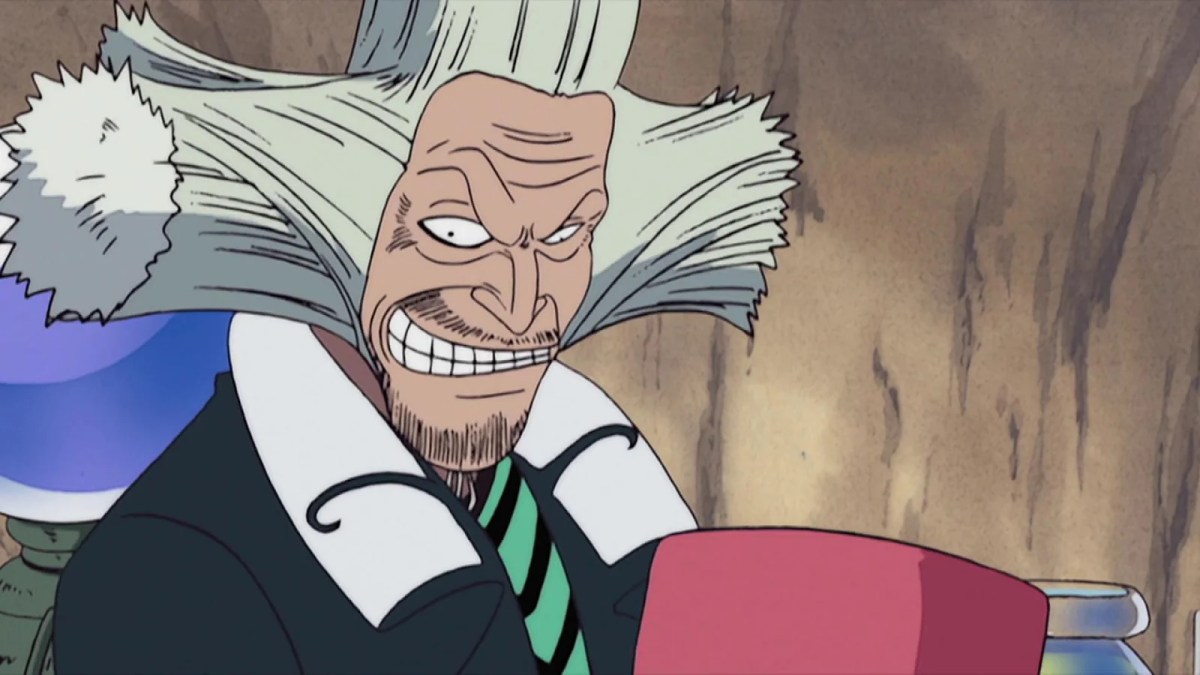
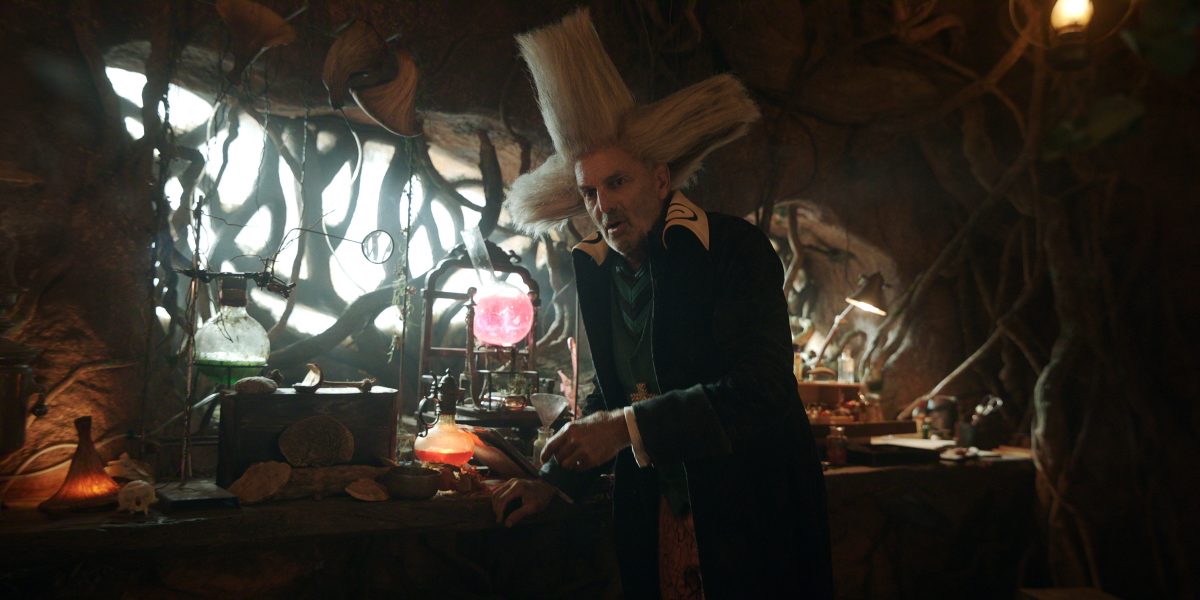
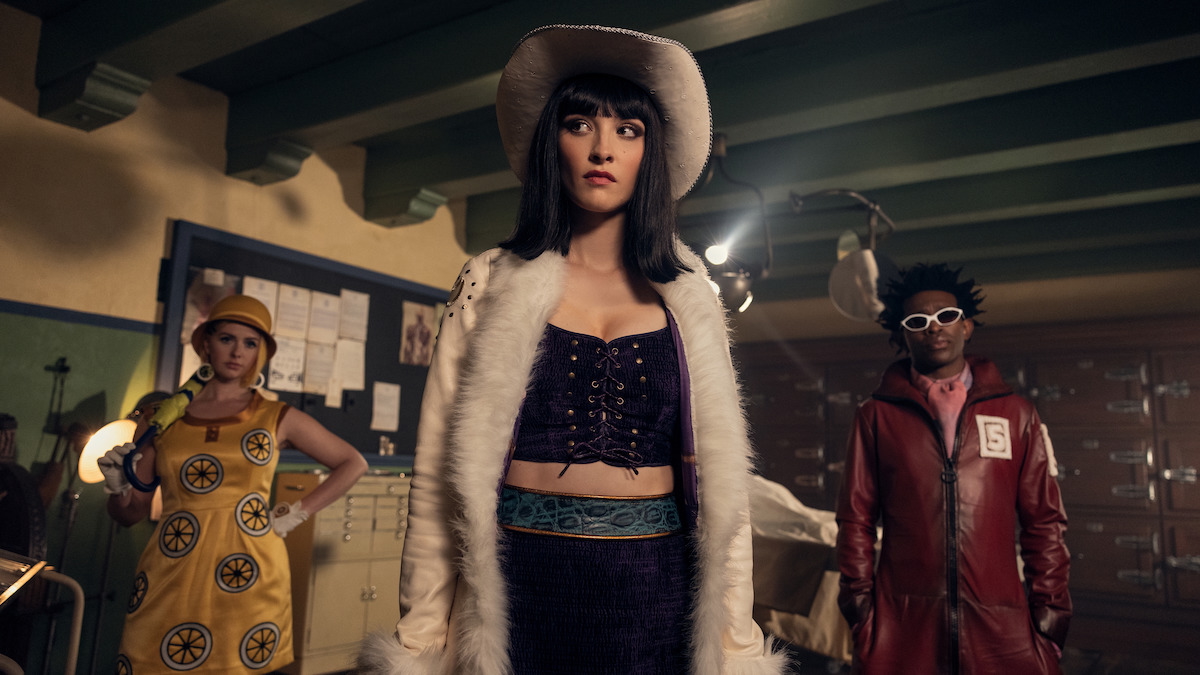
Another major reason why Netflix’s One Piece nails the original adventure is the clear focus on creative costuming and set design. Even from the outside, it’s clear how much fun the design department had with each and every character, and each location, using the manga as direct inspiration.
Manga and live-action mediums are so different. There’s certainly things that work on paper that simply can’t translate on screen. In adapting any project, creatives must determine how they adapt that intangible tone, and to what level they’ll commit to replicating gags, costumes, and more colourful ideas.
In the recent past, we’ve seen manga and comics adapted at a muted tone. To add realism and relatability there is a sacrifice to colour and creativity. While adjacent, it’s worth looking at the original X-Men films as example.
The source material is naturally bright and colourful, with wild and uncanny costumes. To bring these stories to live-action, the film’s creators chose to mute the tone, to better reflect what was considered ‘cool’ in the early 2000s, on the assumption this would be more palatable to general audiences. That meant bright blue and yellow spandex costumes became black leather, and that tongue-in-cheek dialogue became more serious.
It reflected a mistrust in what made the original comics so beloved, and a perception that to be engaging and interesting to audiences beyond comics X-Men had to be edgier, darker and more approachable in its design choices.
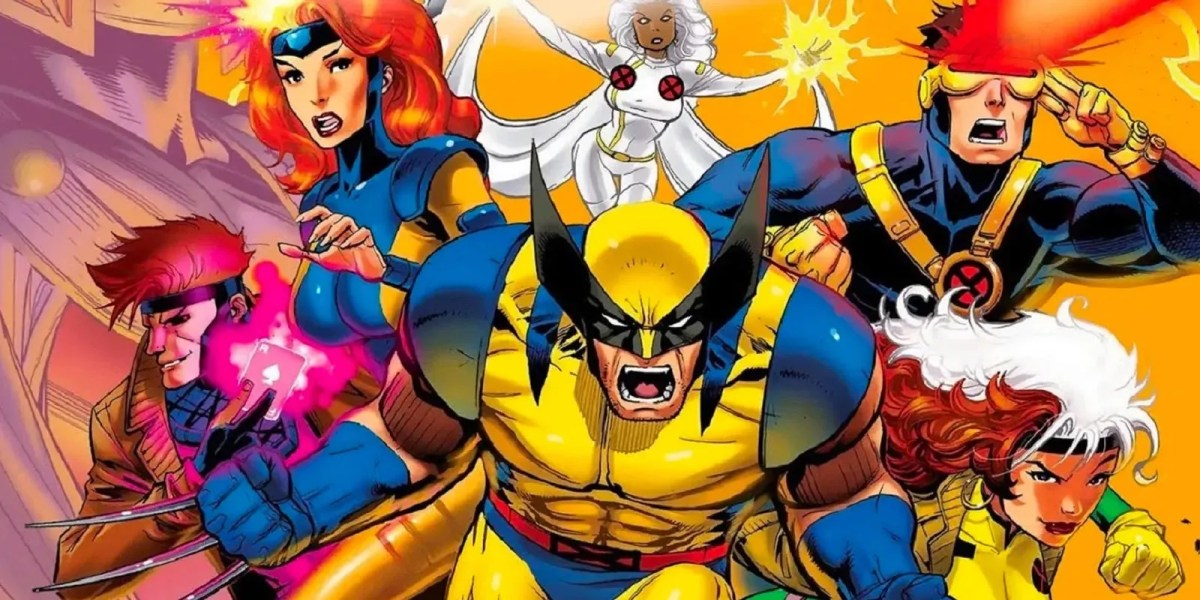
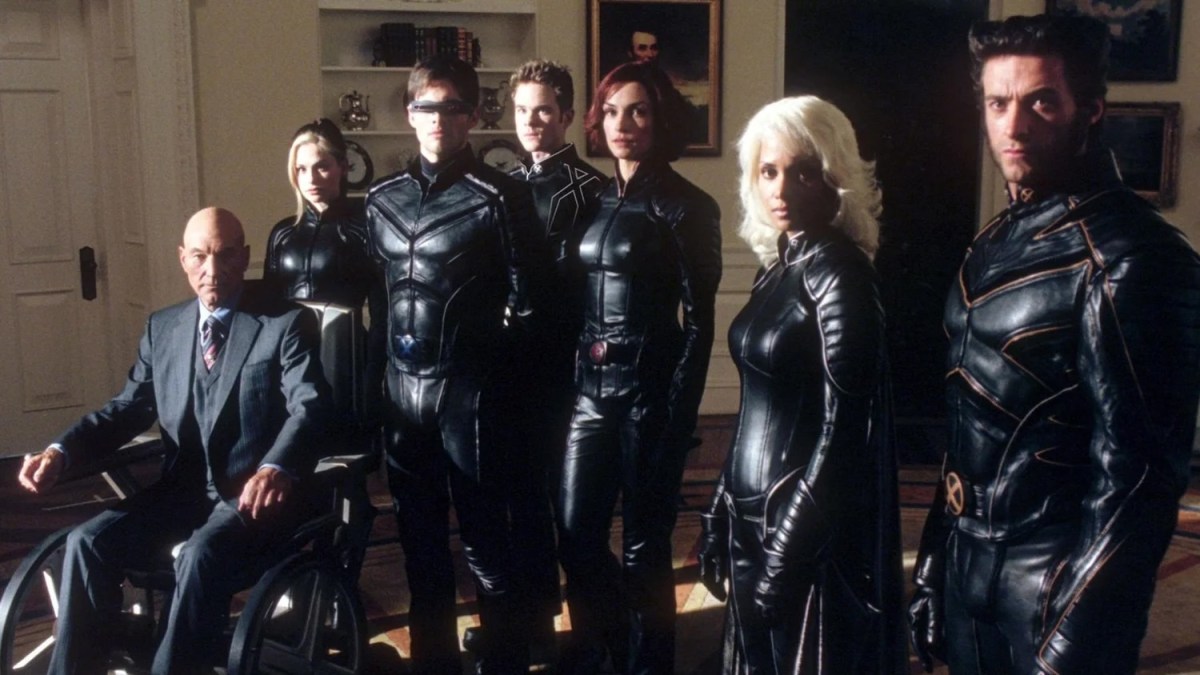
Netflix’s One Piece goes entirely the other way, understanding that TV is a different medium – but rising to meet the tone of the manga anyway, embracing its goofiness wherever possible. It asks the audience to meet One Piece where it’s at, rather than changing its nature or betraying the Oda’s vision.
Characters have bright pink or green hair. They have massive wigs with spiky segments, long pig tails, large afros. Costumes are bright and eye-popping, with vivid blues, reds and yellows. It creates a sense that One Piece takes place in an entirely different world, but one that’s not so strange as to be alienating.
ScreenHub: One Piece review – a real treasure of a Netflix series
It’s only with deft hands that these costumes have been put together, with such a fine balance. They’re not so strange and off-putting as to be unrealistic – you can still see seams and weathering that place them in an relatable world. But they suggest a magic and otherness that invites you to fantasise and immerse yourself in this new, colourful world.
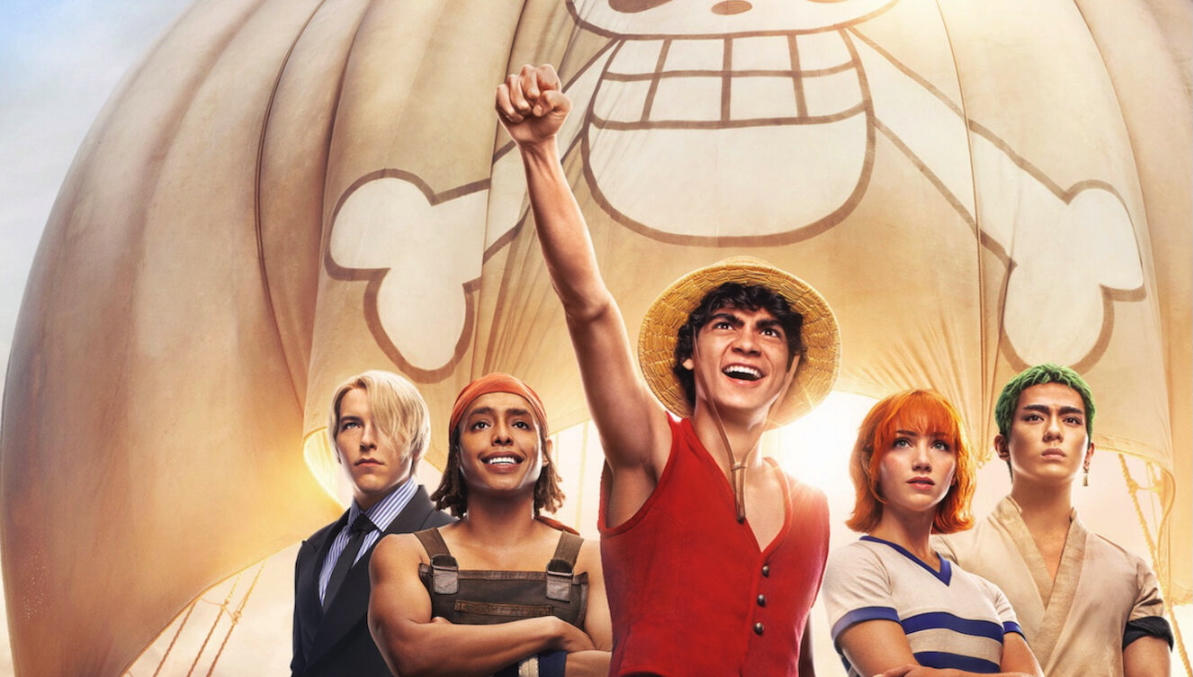
For fans of the series, there are also direct nods in costuming, with many of the main outfits being lifted directly from the manga, with only touches of real world flair to bring them to life.
There’s no embarrassment about the source material here. There’s no significant lowering or darkening the tone to create a perceivably more approachable, realistic world.
Oda’s One Piece is bright, goofy and over-the-top. Embracing that allows Netflix’s adaptation to thrive.
But Netflix’s One Piece still understands the limitations of the live-action format
In saying that, Netflix also knows what to change and when to hold back. Manga and live-action are naturally different mediums with different needs. Selective choices allow for the best of both worlds.
Take Sanji. Manga fans will know he’s a bit more of a caricature in parts of the manga, as he has a deep idolisation of and obsession with women that’s often played for gags. In translation to live action, this doesn’t work as well, and has the potential to be off-putting to a sizeable part of the show’s audience, and so this quirk is brushed over.
It just doesn’t feel necessary for character growth and doesn’t add much to the storytelling beyond the occasional – and sometimes uncomfortable – laugh.
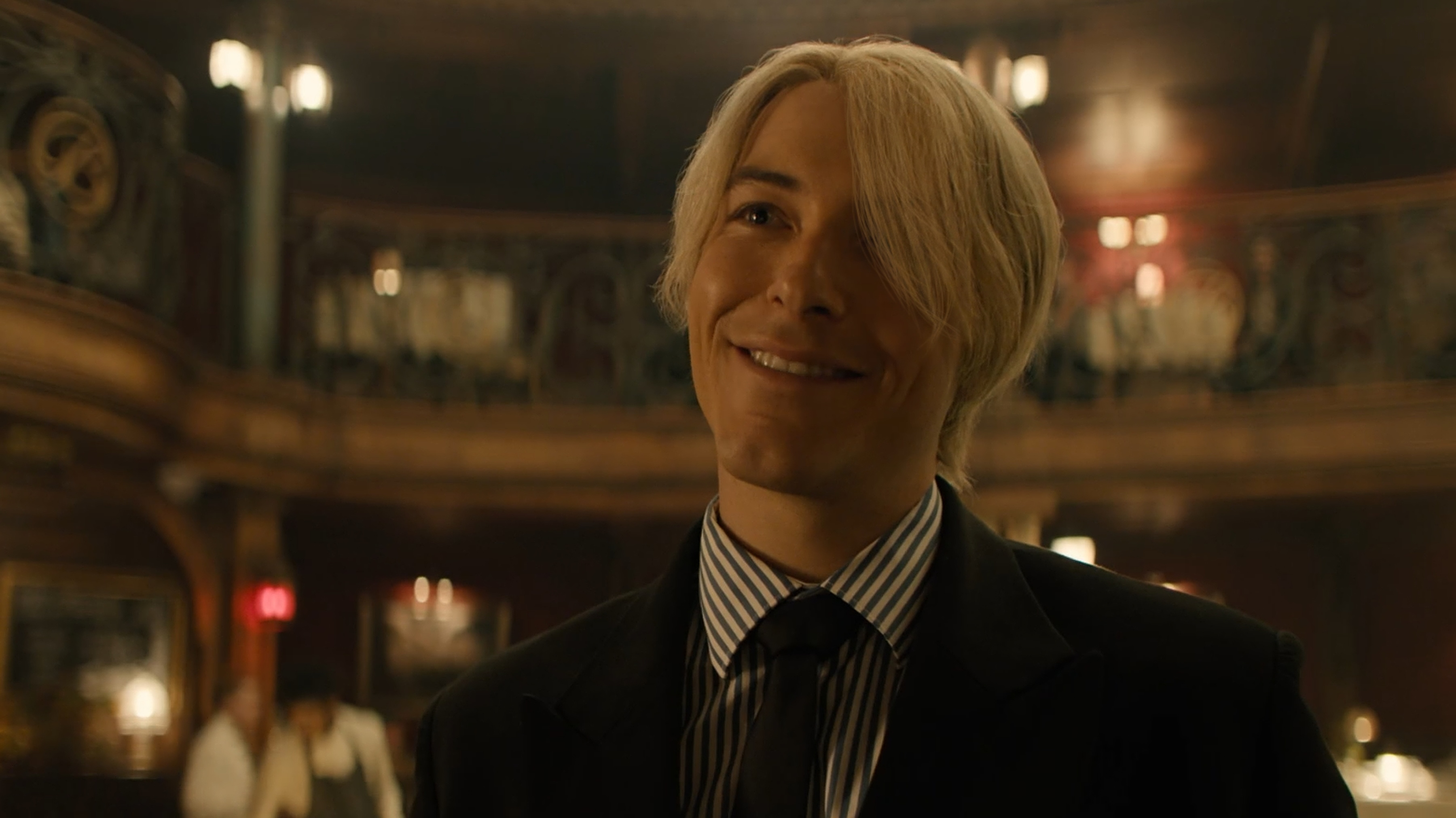
There are other omissions and changes made here, largely to suit narrative structure and storytelling. The One Piece manga has been running for decades now, and there’s no possible way that Netflix can adapt everything – considering budgets, actors aging, and so many other factors.
Speeding through plot points is necessary, and so there have been snips and changes to plot in a way that creates a snappier and altogether more engaging pace.
It’s not a new complaint that the One Piece manga is vast and freewheeling, with plenty of filler between its major missions. In eight-episode seasons, Netflix is blasting through material at speed, skipping over events that aren’t essential, while also giving time for each character to develop.
While it’s a choice by necessity, it serves this adaptation well, infusing each new episode with a sense of urgency as multiple plots unravel in the background and the search for the titular One Piece continues.
Perhaps it’s serendipity that Netflix’s One Piece has come together so well: that casting directors were able to find exactly the right actors to portray these recognisable, much-loved characters; that their chemistry can be felt on-screen; that the costumers and set designs understand the boldness at the heart of One Piece, and how to translate that on-screen, without sacrificing visual flair or tone; that the manga has been so well-adapted, with a moreish pace that encourages investment.
But there’s no doubt that Netflix’s adaptation wouldn’t be possible without incredibly clever writers, designers, editors and actors, all working cohesively to create an adaptation that isn’t ashamed to be goofy or loud, that embraces exactly what makes One Piece such a popular franchise.
Even against the backdrop of other, major missteps – including other recent, failed live-action anime adaptations – Netflix’s One Piece provides a sense of hope for the future.
With new Hollywood-driven live-action anime adaptations planned for belolved franchises including Naruto, My Hero Academia, One Punch Man, and more, we can only hope that One Piece is closely watched as an example of how to translate manga in a meaningful, passion-driven way.