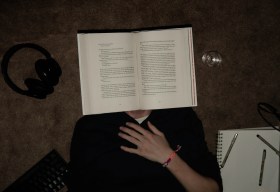
Writing a book is almost always a solitary endeavour. There is the desk, the blank page, the draft manuscript, and then the nervous wait to find out if anyone will ever read it, much less love it. Then there are also the myriad challenges of navigating the business side of writing and publishing.
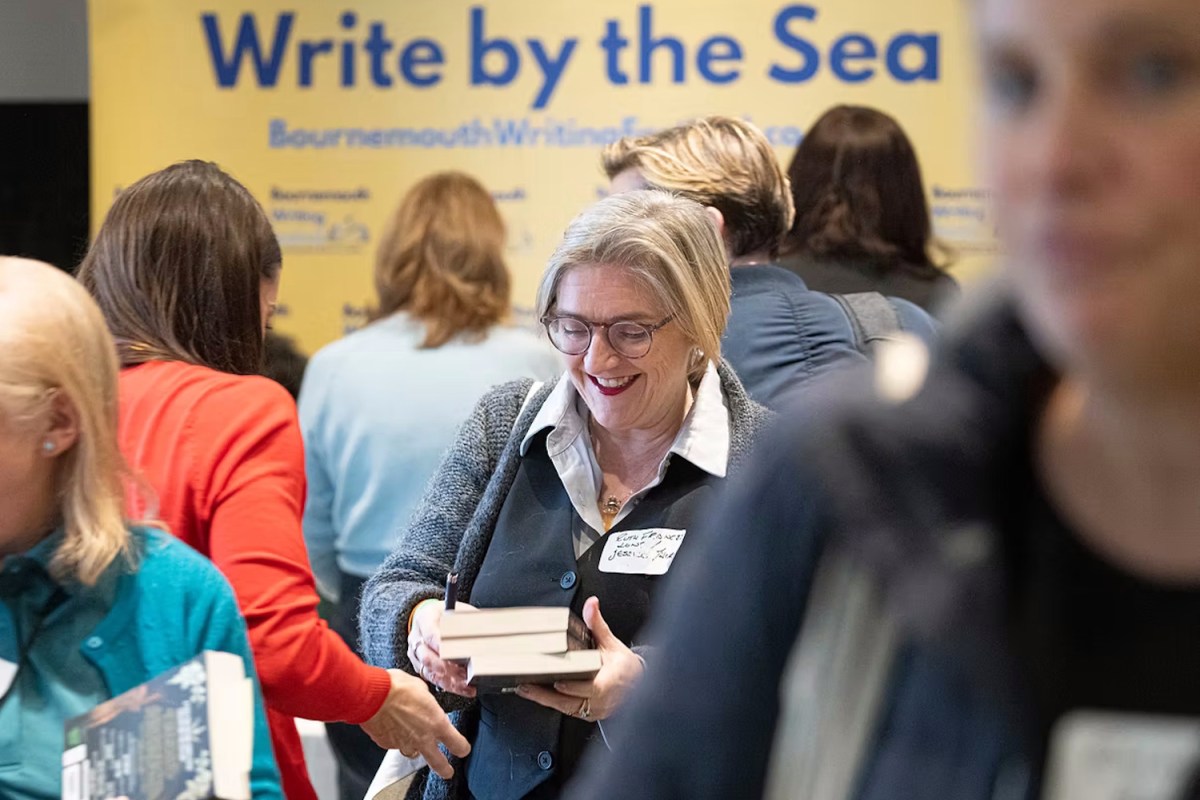
This is all explored at the Bournemouth Romance Writing Festival, returning next month with a program aimed at both aspiring and established writers.
Festival Director Dominic Wong acknowledges that ‘writing is a lonely business’ and says the festival’s aim is to create ‘a welcoming and inclusive space for writers and authors at every stage of their writing journey’.
There are opportunities to meet literary agents in one-on-one sessions, and conversations and panels offering practical advice on everything from finding that vital spark of inspiration to reaching readers, building professional relationships, and marketing and promoting your book.
Bournemouth Romance Writing Festival
Becoming a writer involves more than just writing
For an aspiring writer, this practical emphasis is more real-world than the usual exhortation to ‘write what you know’. Having an idea for a romantic novel is just the beginning; understanding how to pitch it, find an agent, navigate rejection, or actually market the finished book is the real work of writing. The agent one-on-ones and popular Slay the Slush Pile sessions put some of those processes directly in front of writers to help reduce their angst and uncertainty.
Wong – who is also the Director of the Bournemouth Writing Festival, which is held each April – is passionate about helping writers and says the festival is designed to ‘actively try to connect writers with each other and with writing professionals to help them along their way’. It is a clear recognition that becoming a writer involves considerably more than just the writing.
The romance writing sector is an especially interesting place to focus these conversations. It is the biggest-selling fiction genre, yet it has long occupied an uneasy position in literary culture, often being looked down upon as being formulaic or frivolous.
Wong wants the festival to challenge that perception while acknowledging that romance writing ‘often gets a bad reputation’. He says the festival ‘celebrates the genre and encourages writers and writing professionals to be proud of their work’.
Building a career as a professional writer
The festival’s headline panel conversation will feature BBC South’s Edward Sault and bestselling author Katie Fforde, offering personal insights into what it actually means to build a life as a professional writer. It is one of the sessions Wong is really excited about, saying that Fforde’s presentation ‘is bound to inspire all writers, not just those in the romance genre’.
The five main talks each focus on a particular aspect of the writing journey. Author Sharon Kendrick, who has written over 120 titles with Harlequin Mills & Boon, will talk about getting started as a romance writer; Jeevani Charika, who writes what are described as ‘contemporary romances with a hint of British cynicism’, will share strategies for ‘getting through the messy middle’; Gary Dalkin and Sophie Beal will discuss the painful but essential process of editing; Alex Thompson, managing director of Troubadour Publishing and The Book Guild, will cover the many self-publishing options open to writers; and Isabelle Knight, founder of Build Your Author Brand, will talk about creating your author brand.
Closing the laptop and making connections
There is also an emphasis on getting writers away from their screens. The festival program includes literary walks led by a local historian, to find out about the many authors who have lived in or visited Bournemouth, and joyful walks on the picturesque beach. Wong says these elements are intended to celebrate ‘what makes Bournemouth unique and inspiring’, as well as providing a change of scene from the conference room and the laptop.
There are also some valuable networking opportunities for attendees, although Wong readily admits that ‘networking’ can be an uncomfortable word for writers with its overtones of shameless self-promotion and strategic schmoozing.
What most writers really want is just to meet and chat with other people who are sharing the journey. A conversation over coffee, an introduction to an agent, or discovering that someone else is struggling in the same way, can be surprisingly meaningful.
The Romance Writing Festival ends with an evening cabaret, which Wong hopes will leave everyone ‘completely energised’. It is an appropriately theatrical conclusion to an event for people who spend their days in imaginary worlds.
At the end of the day, Wong says he hopes attendees will leave ‘feeling a little less lonely, knowing there are cheerleaders and supporters beyond their laptop’. For an emerging writer, that may be the best thing the festival can offer.