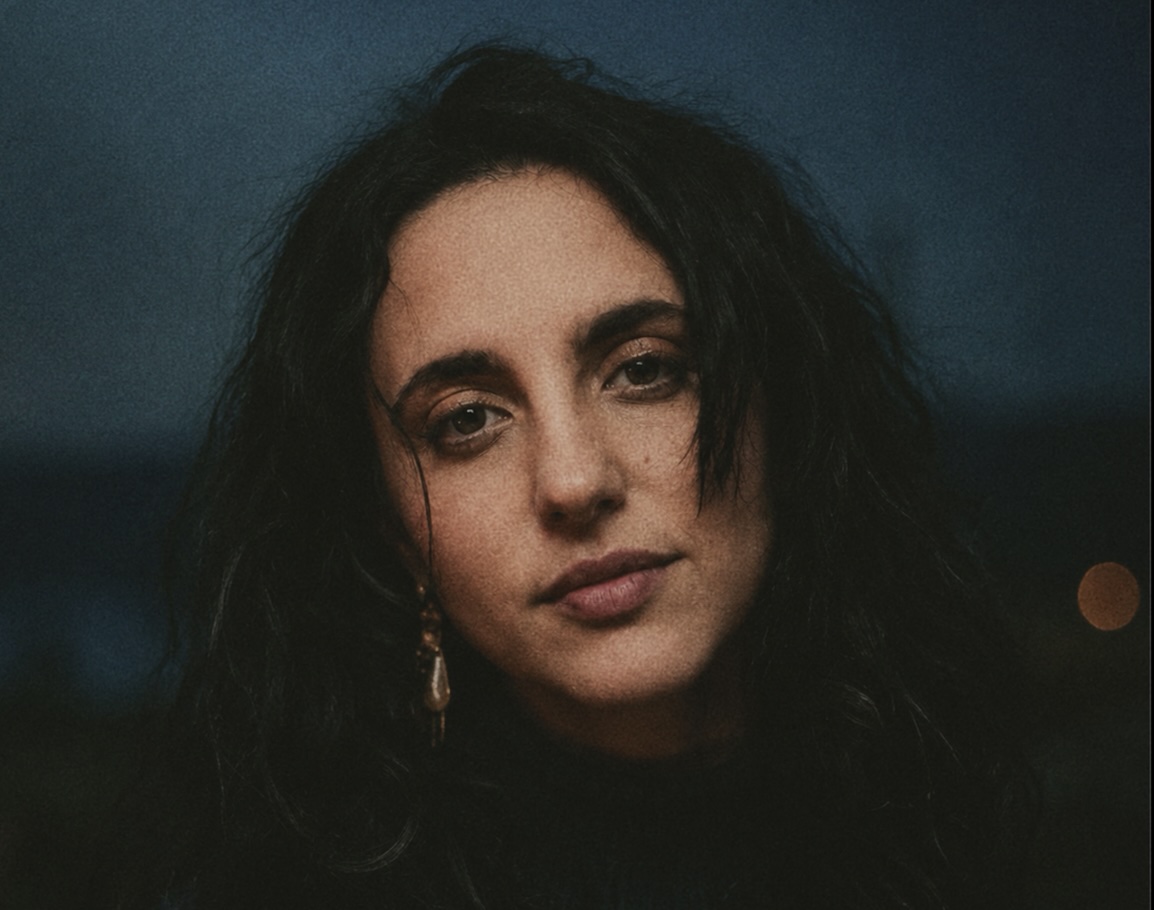
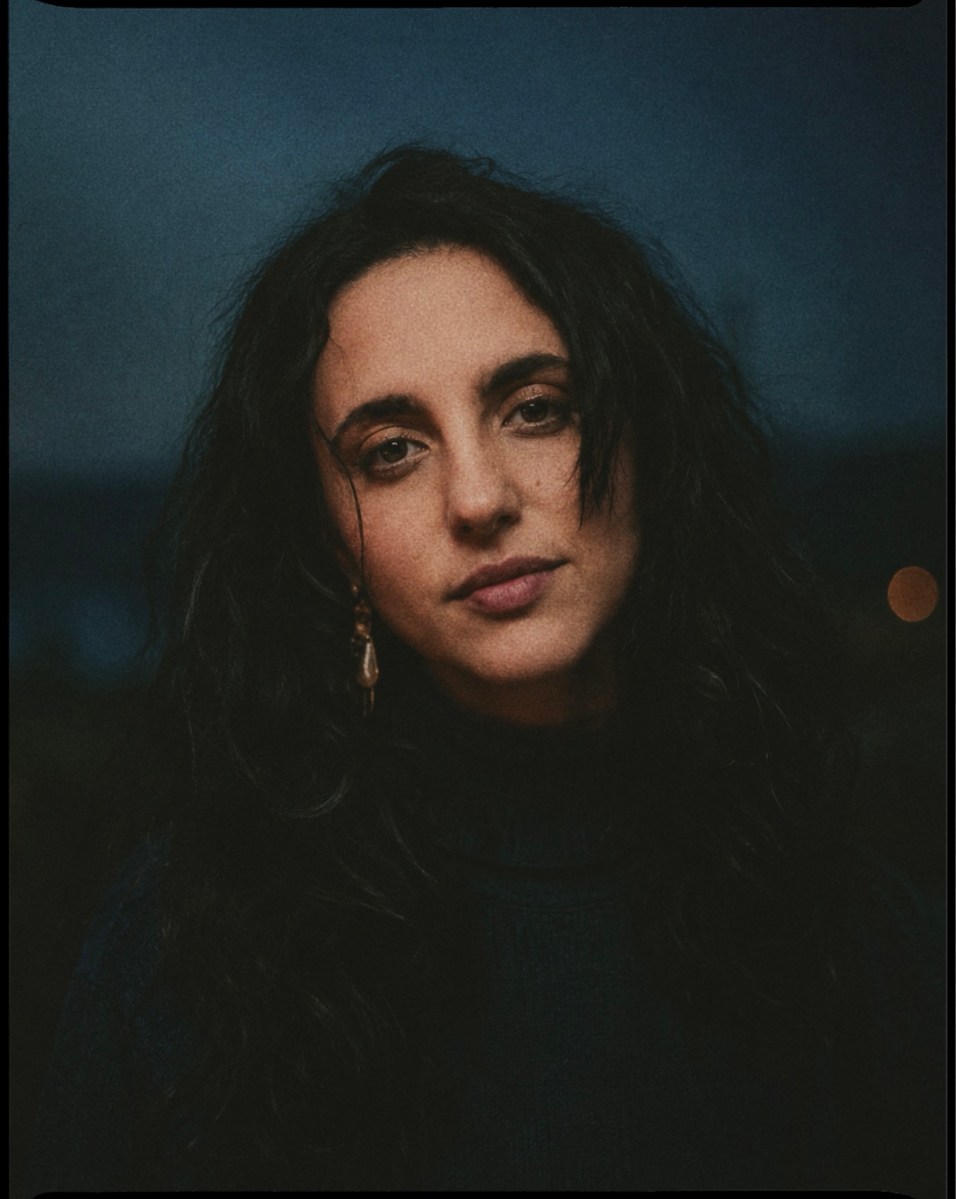
Anita Lester is a Melbourne-based multidisciplinary artist working across film, painting, music, poetry, illustration and performance. Her practice is united by a deep commitment to storytelling, exploring themes of memory, identity, faith, folklore, longing and cultural inheritance through a diverse body of work that moves fluidly between disciplines.
Alongside her studio practice, Lester has emerged as one of Australia’s most recognised contemporary courtroom artists. Since 2023 she has produced dozens of courtroom drawings documenting some of the nation’s most significant criminal and legal proceedings.
Her work gained international attention following her widely published and globally viral portrait of Erin Patterson during the Victorian mushroom poisoning trial, bringing renewed public attention to the disappearing craft of courtroom illustration.
Her drawings have documented numerous high-profile cases including Malka Leifer, the Australian ISIS brides proceedings, the Bondi shooter, Greg Lynn and many of the most closely followed criminal matters in Australia in recent years.
Characterised by their immediacy, humanity and psychological insight, her courtroom works have appeared across major Australian and international media outlets.
Visit Anita Lester’s professional website, Instagram and Facebook for more.
Would you like to be profiled for ArtsHub‘s What I’ve Learned series? Email us with ‘What I’ve Learned’ in the subject line.
Anita Lester: video transcript
Initially, I was trying to be objective, to completely get as realistic as I can. But then I did a very high-profile case, which was the Erin Patterson case. And it was the first time that I had a very short period of time to do a drawing.
I only was able to sketch in a kind of almost abstract expressionistic way – and that ended up telling more of her story. So from that point I changed my direction.
Now, I’m kind of abstract expressionist with my portraiture. They still maintain the realism, but I try and get the emotion in the colour and the texture and the strokes.
Colour is such an amazing way of telling a story. I mean, Rothko and his reds and his blacks and his blues – you know, all of them convey a particular emotion. The same can be said about anything that we do. Red can convey anger and blue can convey sadness. And I don’t consciously think about it. It actually just sort of descends in the room. I just let my intuition take over.
Anita Lester: snapshots
I’ve become kind of fluent in being able to look at someone’s face and snapshot and recall in a small time.
So today I did a drawing and I had five minutes to look at the accused. The average time I usually have is about an hour. Often I’ll only get half an hour in front of the accused. If anyone watches the work that I release, they’ll notice that the shorter ones are much sketchier, much less refined.
But you know, sometimes you’ve got all day. I’m on a really high-profile case at the moment and you get hours in front of the people.
So yeah, it really depends.
Anita Lester: becoming a courtroom artist
I never went into art thinking I’m going be a courtroom artist.
Courtroom art is, in this strange way, something that you stumble upon. It requires a collection of very specific skills.
My classical training has been a really important skillset. But I also studied animation, so I learnt digital illustration and also the movement of digital illustration.
But then also, you have to be very fast.
Especially for life drawing. So that’s the technical element. But then the practical element is that it’s not a fine art job: it’s a journalist job.
So having the foundation is really important. It’s like building a house, right? If you don’t know the structural integrity of something, then it’s going to fall over. And then allowing your own sort of storytelling to come in.
You’ve got to tell a whole story in one image.